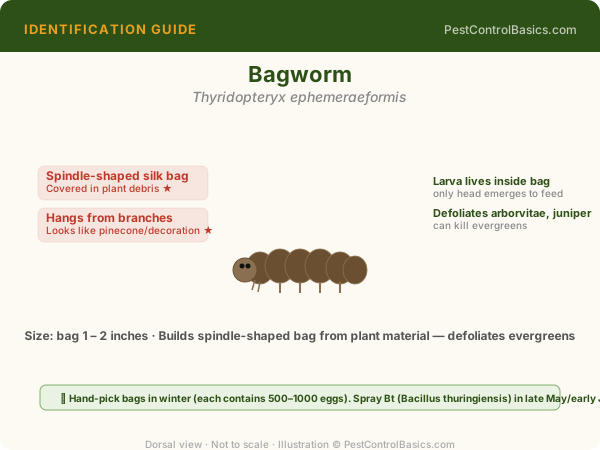
Original illustration by PestControlBasics.com. Use the labeled features above to confirm your identification.
🔍 Identification
Bags: 5-8cm (mature); elongated; covered with foliage bits, twigs, and silk — resembles a small pine cone. Caterpillar feeds by extending its head from the bag opening while dragging the bag. Found on: arborvitae, juniper, spruce, pine, and many deciduous trees. Females: wingless, never leave the bag; lay 500-1,000 eggs inside bag in fall. Young larvae: tiny bags, visible in June — most vulnerable stage.
🧬 Biology & Behavior
Eggs overwinter inside old bags, hatching May-June. Young larvae (1st-2nd instar) are highly susceptible to Bt kurstaki through June. By late July, caterpillars are large, bags are half-developed, and chemical control is much less effective. One generation per year. Arborvitae can be killed in 1-2 seasons of heavy infestation.
⚠️ Damage & Health Risk
Progressive defoliation; arborvitae killed in 1-2 seasons of heavy infestation; significant hedge and specimen tree loss; limited natural enemy control.
🔧 DIY Treatment
Hand-remove bags in fall through winter — each bag removed eliminates 500-1,000 eggs. Bt kurstaki spray in June when bags are tiny — this is the critical window. After July 4th, chemical control becomes much less effective.
👷 When to Call a Pro
Emamectin benzoate trunk injection for severely infested valuable arborvitae.