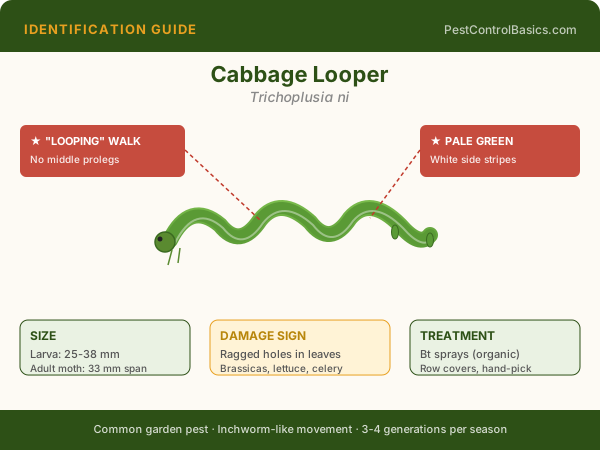
Illustrated identification guide — PestControlBasics.com
🔍 Identification
Adults: Small white butterfly with black wing spots — the 'cabbage white' common throughout North America. Larvae: 25-35mm; velvety green with a faint yellow stripe along the back; blend perfectly with green cabbage leaves; slow-moving. Eggs: tiny, bullet-shaped, pale yellow, laid singly on leaf undersides. Found on all brassicas: cabbage, broccoli, kale, Brussels sprouts, cauliflower.
🧬 Biology & Behavior
Multiple overlapping generations per year from spring to fall. Adults are excellent colonizers — a single female can lay 200+ eggs over her lifetime, one egg at a time. Larvae blend perfectly with cabbage leaves and are difficult to spot until damage is apparent. They feed primarily on leaf undersides and in the developing head.
⚠️ Damage & Health Risk
Holes in outer leaves; contamination of cabbage heads (larvae feed inside and deposit feces in the head — making the head inedible without extensive cleaning); complete plant defoliation in severe pressure.
🔧 DIY Treatment
Bt kurstaki spray — most effective organic treatment when caterpillars are small. Apply to leaf undersides every 5-7 days. Row covers from transplant prevent adult egg-laying entirely. Hand-pick larvae. Inspect cabbage heads before storage — squeeze gently to detect larvae inside.
👷 When to Call a Pro
Commercial brassica production uses threshold-based Bt programs timed to adult butterfly activity.