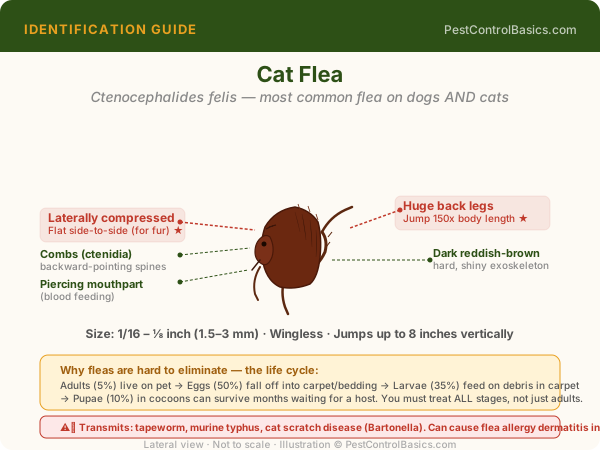
Illustrated identification guide — PestControlBasics.com
🔍 Identification
Signs: intense itching, hair loss along the lower back, tail base, and inner thighs; hot spots; skin thickening and darkening; secondary bacterial infections. In cats: miliary dermatitis (tiny scabs across the back). The reaction is to flea saliva proteins, not to the flea itself — a sensitized pet reacts with full-body itching from a single exposure.
🧬 Biology & Behavior
FAD develops after repeated flea exposure sensitizes the immune system. Once sensitized, subsequent exposures trigger a Type I (immediate) and Type IV (delayed) hypersensitivity reaction. The reaction can last 1-3 weeks after a single bite. This is why strict year-round flea prevention is medically essential for FAD-affected pets, not merely convenient.
⚠️ Damage & Health Risk
Severe chronic itching; hair loss; skin infections; open sores; reduced quality of life; expensive veterinary treatment for secondary infections.
🔧 DIY Treatment
Year-round prescription-strength flea prevention (Bravecto, NexGard, Credelio, Revolution Plus) is essential. Treat all pets in the household simultaneously. Complete indoor environmental treatment (IGR + adulticide). Veterinary management of secondary skin infection.
👷 When to Call a Pro
Veterinary diagnosis required. Corticosteroids or Cytopoint injection for acute relief; long-term management requires strict flea prevention.