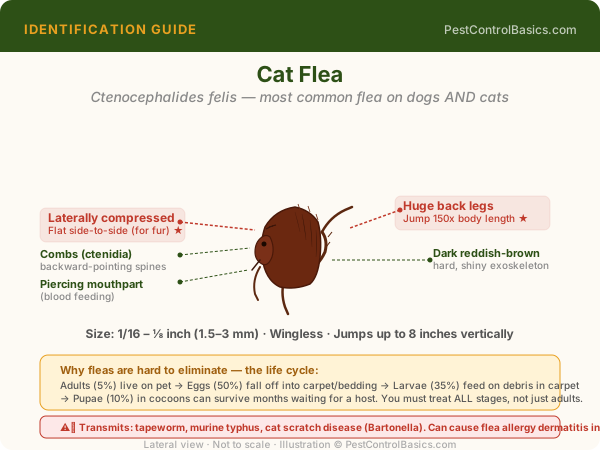
Original illustration by PestControlBasics.com. Use anatomical labels above to confirm your identification.
🔍 Identification
4 stages: Egg (white, 0.5mm, fall off host into environment) → Larva (3 instars; feeds on dried blood and organic matter in carpet and pet bedding; avoids light) → Pupa (cocoon; impervious to all insecticides; can remain dormant for months awaiting host vibration, CO2, and heat signals) → Adult (jumps onto host immediately upon emerging).
🧬 Biology & Behavior
The pupal stage is the treatment-resistant bottleneck. Once a larva forms a cocoon, no insecticide can penetrate it. Pupae remain dormant until triggered by host cues: vibration (footsteps), CO2, and warmth. This is why 'treated' homes often have waves of flea emergence for 2-3 weeks after treatment — pre-existing pupae continue emerging regardless of treatment. Vacuuming stimulates pupal emergence and makes treatment more effective.
⚠️ Damage & Health Risk
Ongoing flea infestation; pet distress; flea allergy dermatitis in sensitive pets; tapeworm transmission; human bites causing secondary infection.
🔧 DIY Treatment
Treat all pets (veterinary product) + indoor environment (adulticide + IGR) simultaneously on Day 1. Vacuum daily (stimulates pupal emergence). Repeat environmental treatment at Days 7 and 14. By Day 21, all pre-treatment pupae have emerged and been killed. Continue pet product year-round.
👷 When to Call a Pro
Professional treatment with appropriate products and follow-up inspections ensures complete elimination including in hard-to-treat areas.