πŸ¦— Cat Flea Life Cycle

Ctenocephalides felis Β· Siphonaptera

The cat flea pupal stage cannot be killed by any registered insecticide. This single biological fact explains why treating once doesn't work, why 'treated' homes still have fleas for weeks, and why the protocol must continue for 21 days minimum.

FleaLife CyclePupaeTreatment BiologySiphonapteraWhy 3 Weeks
πŸ¦—
Risk Level
Flea Biology
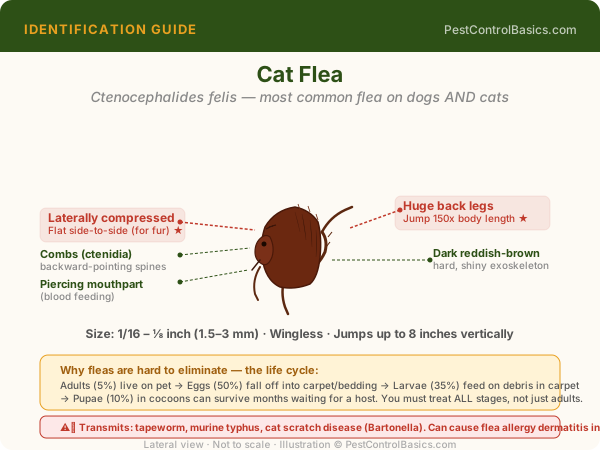
πŸ“ FIELD GUIDE ILLUSTRATION
Cat flea (Ctenocephalides felis) identification illustration with labeled anatomical features β€” PestControlBasics.com

Original illustration by PestControlBasics.com. Use anatomical labels above to confirm your identification.

πŸ”¬
PestControlBasics Editorial Team
Reviewed by Derek Giordano Β· Updated 2026

πŸ” Identification

4 stages: Egg (white, 0.5mm, fall off host into environment) β†’ Larva (3 instars; feeds on dried blood and organic matter in carpet and pet bedding; avoids light) β†’ Pupa (cocoon; impervious to all insecticides; can remain dormant for months awaiting host vibration, CO2, and heat signals) β†’ Adult (jumps onto host immediately upon emerging).

🧬 Biology & Behavior

The pupal stage is the treatment-resistant bottleneck. Once a larva forms a cocoon, no insecticide can penetrate it. Pupae remain dormant until triggered by host cues: vibration (footsteps), CO2, and warmth. This is why 'treated' homes often have waves of flea emergence for 2-3 weeks after treatment β€” pre-existing pupae continue emerging regardless of treatment. Vacuuming stimulates pupal emergence and makes treatment more effective.

⚠️ Damage & Health Risk

Ongoing flea infestation; pet distress; flea allergy dermatitis in sensitive pets; tapeworm transmission; human bites causing secondary infection.

πŸ”§ DIY Treatment

Treat all pets (veterinary product) + indoor environment (adulticide + IGR) simultaneously on Day 1. Vacuum daily (stimulates pupal emergence). Repeat environmental treatment at Days 7 and 14. By Day 21, all pre-treatment pupae have emerged and been killed. Continue pet product year-round.

πŸ‘· When to Call a Pro

Professional treatment with appropriate products and follow-up inspections ensures complete elimination including in hard-to-treat areas.

❓ FAQ

Why do I still have fleas 2 weeks after treating?
Pupal cocoons already present before treatment are completely impervious to insecticides and continue emerging on schedule. This is normal and expected β€” not treatment failure. These emerging adults will contact the treated surfaces and die, but you'll still see activity for 14-21 days post-treatment as the pre-existing pupae continue to emerge.
Does vacuuming really help with fleas?
Yes β€” significantly. Vacuuming stimulates pupal emergence by mimicking host vibration signals. This causes dormant pupae to emerge into the treated environment where they die on contact. Vacuuming 3-4 times per week during the treatment period dramatically accelerates flea population collapse by 'using up' the pupal bank.
πŸ“š Sources: EPA Flea Control Β· CDC Flea-Borne Diseases
Published: Jan 1, 2025 Β· Updated: Apr 7, 2026

πŸ—ΊοΈ US Distribution β€” Cat Flea Life Cycle

image/svg+xml
Common Occasional Not Present
States Present
51
Occasional
0
Primary Region
All 50 states
πŸ“Š Source: University extension services, USDA, CDC vector data, and published entomological surveys.