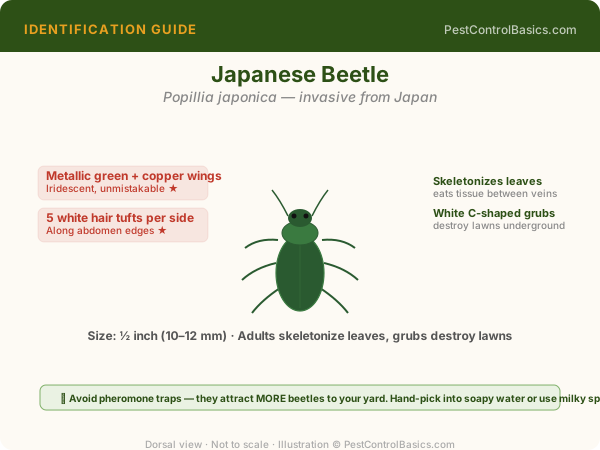
Original illustration by PestControlBasics.com. Use anatomical labels above to confirm your identification.
🔍 Identification
Drugstore Beetle (Stegobium paniceum): 2-3.5mm; reddish-brown; cylindrical shape; parallel grooves on wing covers; clubbed 3-segment antennae. Can bore through aluminum foil and book spines.
Cigarette Beetle (Lasioderma serricorne): 2-3mm; light brown; more rounded; SMOOTH wing covers (key difference); antennae serrate/saw-like. Strongly attracted to light.
Both vs Flour Beetles: Drugstore and cigarette beetles are rounder and lighter brown. Flour beetles are darker, flatter, and have distinctly clubbed antennae.
🧬 Biology & Behavior
Both species are 'stored product pests' with similar life cycles: eggs laid in food product → larvae tunnel and feed for 4-20 weeks → pupation → adult emergence. Both prefer herbs, spices, red/cayenne pepper, paprika, dried herbs, tea, tobacco, and grain products.
Drugstore beetles famously infest items that seem impossible to eat: drugs, book bindings, museum specimens, dried flower arrangements, and even rat poison bait.
⚠️ Damage & Health Risk
Contamination of food products with larvae, frass, and shed skins. Economic loss from destroyed pantry items. Drugstore beetle's ability to bore through packaging allows it to contaminate sealed items.
🔧 DIY Treatment
Find and remove ALL sources — including spice jars, dried herbs, dog/cat biscuits, and any item that's been in the pantry for months. Check pet food, bird seed, and museum-quality items.
Transfer to airtight containers — glass or hard plastic. This is the permanent solution.
Pheromone traps for each species (sold separately — species-specific lures) help confirm species and monitor for remaining adults.
Freezing: 0°F for 2 weeks kills all life stages in infested products.
👷 When to Call a Pro
Rarely needed. If you've removed all apparent sources and reinfestation continues, call a professional to help identify cryptic sources you may have missed.