πŸͺ² Flea Beetle

Phyllotreta / Epitrix spp. Β· Coleoptera: Chrysomelidae

Flea beetles emerge from soil in spring just as seedlings emerge from the ground. The timing is the worst possible β€” tiny seedlings can be completely destroyed in 48 hours of peak beetle activity.

Flea BeetleChrysomelidaeShot HolesSeedlingsBrassicaRow Cover
πŸͺ²
Risk Level
Vegetable Garden Pest
πŸ“ FIELD GUIDE ILLUSTRATION
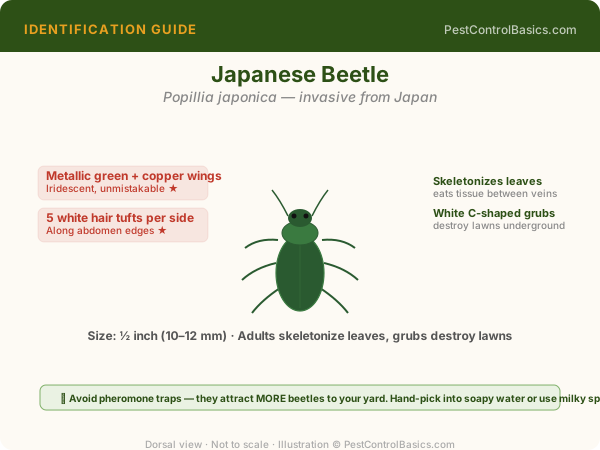
Japanese Beetle (Popillia japonica) identification illustration with labeled anatomical features β€” PestControlBasics.com

Original illustration by PestControlBasics.com. Use anatomical labels above to confirm your identification.

πŸ”¬
PestControlBasics Editorial Team
Reviewed by Derek Giordano Β· Updated 2026

πŸ” Identification

Adults: 1-3mm; metallic black, bronze, or striped depending on species; jump like fleas when disturbed (the behavior that gives them their name). Damage: hundreds of tiny round holes (shot holes) in leaves β€” like the leaf was peppered with BBs. Found on: brassicas (cabbage, broccoli, kale), eggplant, potatoes, tomatoes, corn. Most damaging in the 2-4 weeks after seedling emergence when plants are smallest.

🧬 Biology & Behavior

Adults overwinter in soil and leaf litter. They emerge in spring hungry and immediately attack seedlings. Larvae feed on roots underground (usually minor). Adults cause the visible leaf damage. The shot-hole pattern is completely distinctive β€” when you see hundreds of tiny round holes on brassica leaves and small black beetles that jump, flea beetles are confirmed.

⚠️ Damage & Health Risk

Complete seedling destruction in heavy infestations (24-48 hours possible); significant reduction in plant establishment; cosmetic damage on mature plants; stress predisposing plants to disease; economic losses in commercial brassica production.

πŸ”§ DIY Treatment

Row cover installed at planting is the most effective and sustainable control β€” physically excludes beetles completely. Kaolin clay applied to seedlings deters feeding. Spinosad spray for active infestations. Diatomaceous earth around plant bases slows movement. Delay planting by 2-3 weeks when possible β€” seedlings that emerge when beetles are less active have better survival.

πŸ‘· When to Call a Pro

Commercial brassica production: systemic imidacloprid seed treatment or at-plant granules provides protection during the most vulnerable period.

❓ FAQ

How do I tell flea beetle damage from slug damage?
Flea beetle damage: perfectly round holes with clean edges; beetles present and jumping when disturbed; holes throughout the leaf including upper surfaces. Slug damage: irregular holes with ragged edges; slime trail visible; damage concentrated at leaf margins and lower surfaces; slugs visible at night with flashlight.
Why do flea beetles disappear in summer?
Flea beetles generally peak in spring (April-June) when they're most active and hungry after overwintering. As summer heat increases, adults become less active and more dispersed. By midsummer, plants have usually grown large enough to tolerate flea beetle feeding without significant damage. The critical management window is the first 4-6 weeks after seedling emergence.
πŸ“š Sources: EPA Flea Control Β· CDC Flea-Borne Diseases
Published: Jan 1, 2025 Β· Updated: Apr 7, 2026

πŸ—ΊοΈ US Distribution β€” Flea Beetle

image/svg+xml
Common Occasional Not Present
States Present
51
Occasional
0
Primary Region
All 50 states
πŸ“Š Source: University extension services, USDA, CDC vector data, and published entomological surveys.