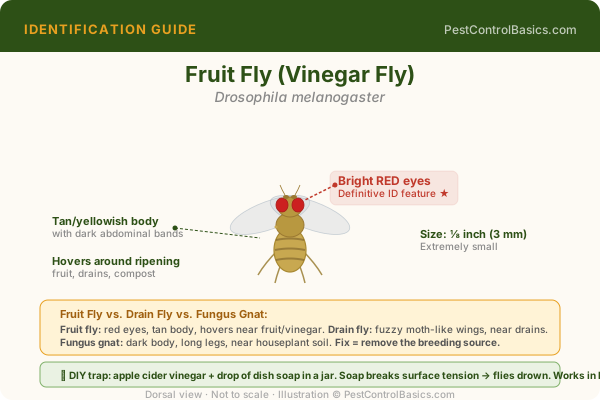
Original illustration by PestControlBasics.com. Use anatomical labels above to confirm your identification.
🔍 Identification
Common Fruit Fly (D. melanogaster): 3mm; red eyes; tan/yellow body; most common in US homes; breeds in overripe fruit, wine residue, and drain biofilm.
Dark-Eyed Fruit Fly (D. hydei): 4mm; dark eyes (appears gray or black-eyed); larger than common fruit fly; breeds in rotting vegetables and compost more than fruit.
Pomace Fly / Vinegar Fly (D. funebris): 3.5mm; dark gray body; breeds in wine, beer, kombucha, and fermented beverages — less attracted to ripe fruit than fermented liquids.
🧬 Biology & Behavior
All three are attracted to fermentation products. The key diagnostic: where do they concentrate? Over fruit = common fruit fly. Near compost or rotting vegetables = dark-eyed fruit fly. Near wine, beer, or fermented beverages = pomace fly. This guides source removal.
⚠️ Damage & Health Risk
Nuisance; food contamination; psychological disturbance. No health risk beyond nuisance.
🔧 DIY Treatment
Source removal specific to species: common = remove overripe fruit, clean drains; dark-eyed = remove rotting vegetables and compost; pomace = clean wine glasses, seal fermentation vessels. Apple cider vinegar traps attract all three species.
👷 When to Call a Pro
Rarely warranted for fruit flies.