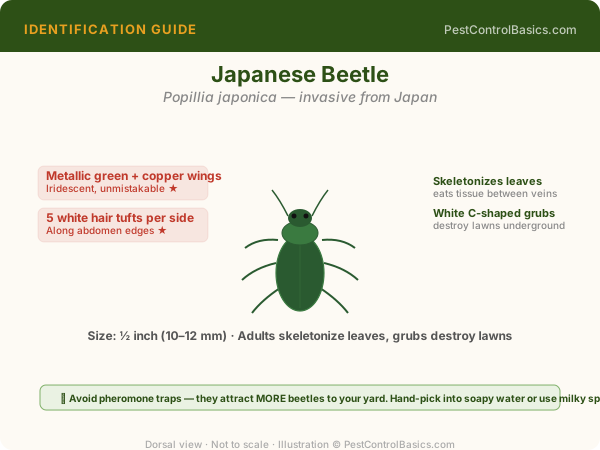
Original illustration by PestControlBasics.com. Use anatomical labels above to confirm your identification.
🔍 Identification
Adults: 6-7mm; oval; tan/yellow-orange with 16 black spots in 3 rows — more and smaller spots than most lady beetles. Found feeding on bean foliage from the underside. Distinguished from lady beetles by: more spots (16 vs typically 7 or fewer for common lady beetles), paler coloring, and skeletonizing feeding pattern.
🧬 Biology & Behavior
Both adults and larvae feed on bean foliage from the underside, eating the green tissue and leaving the upper epidermis intact — creating a distinctive 'window pane' skeletonization pattern. Found on all types of beans: green, snap, lima, and soybeans. Multiple generations per year in warm regions.
⚠️ Damage & Health Risk
Window pane skeletonization of bean leaves; severe defoliation reducing yield; can defoliate entire plantings in heavy pressure years.
🔧 DIY Treatment
Hand-pick adults and larvae (inspect the underside of leaves — where both stages feed). Remove yellow egg masses from leaf undersides. Neem oil spray. Spinosad spray for heavy infestations. Row covers to prevent adult immigration to plantings.
👷 When to Call a Pro
Commercial bean production uses threshold-based spray programs.