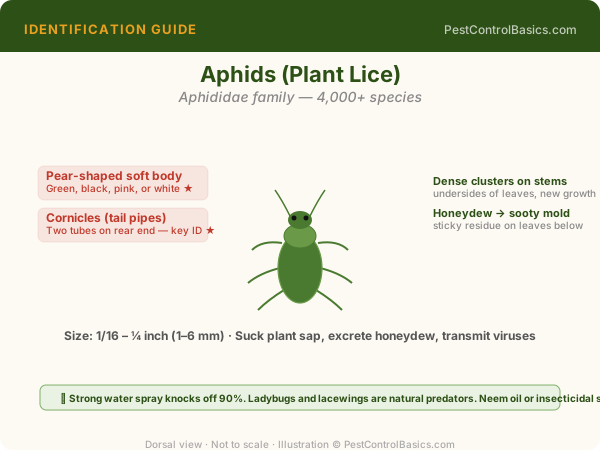
Original illustration by PestControlBasics.com. Use the labeled features above to confirm your identification.
🔍 Identification
Pea Aphid (A. pisum): 4-5mm — large for an aphid; pale green to pink; long cornicles; found on peas, alfalfa, clovers, lentils. One of the most studied insects in science. Black Bean Aphid (Aphis fabae): 1-3mm; jet black; found in dense colonies on beans, beet, and many other host plants. Both species produce winged dispersal forms that spread virus rapidly across fields.
🧬 Biology & Behavior
Both species produce many overlapping generations. Pea aphids overwinter as eggs on alfalfa and clovers; black bean aphids on spindle tree (Euonymus). Both vectors of numerous plant viruses including pea enation mosaic virus and bean yellow mosaic virus. Natural enemies (parasitoid wasps, lady beetles) are crucial regulators.
⚠️ Damage & Health Risk
Direct feeding weakens plants; stunted growth; virus transmission causing mosaic, yellowing, and yield reduction; honeydew and sooty mold on pods; reduced germination of infected seed.
🔧 DIY Treatment
Preserve natural enemies — parasitoid wasps (Aphidius species) are extremely effective against both pea and bean aphids. Reflective mulch repels landing aphids. Insecticidal soap for direct control if populations exceed threshold. Avoid pyrethroids that kill parasitoids.
👷 When to Call a Pro
Commercial legume production uses economic thresholds (number of aphids per stem tip) to guide treatment decisions — contact your state extension office for current threshold data.