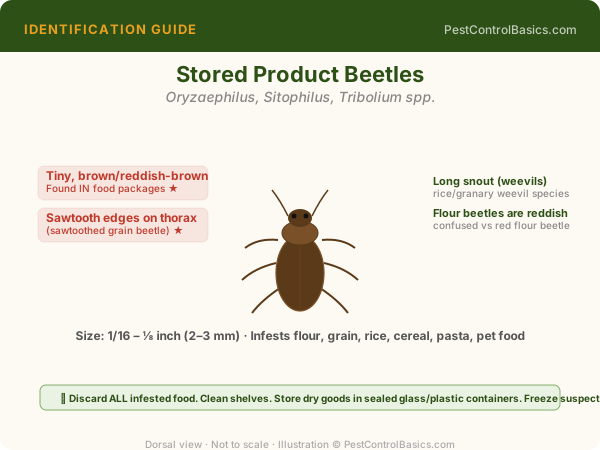
Original illustration by PestControlBasics.com. Use the labeled features above to confirm your identification.
🔍 Identification
2.5-3.5mm; reddish-brown with four orange/red spots on wing covers (diagnostic); elongated snout; CAN FLY (unlike granary weevil). The spots on the wing covers distinguish it from the granary weevil. Found in rice, corn, wheat, grain sorghum, and other whole grains.
🧬 Biology & Behavior
Females bore a tiny hole into a grain kernel, lay one egg, and seal it. Larvae develop completely inside — feeding, pupating, and emerging as adults through a round exit hole. An infested grain can look normal while containing a developing weevil. Adults also feed on the outside of grain. Multiple generations per year in warm conditions.
⚠️ Damage & Health Risk
Ruined grain; hollow kernels; adult emergence from 'intact' grain; grain heating from metabolic activity; grain clumping; significant losses in stored grain and rice.
🔧 DIY Treatment
Freeze all new purchases of whole grains at 0°F for 4 days before storage. Store in sealed glass or hard plastic airtight containers. Diatomaceous earth mixed with grain provides long-term protection. Inspect grains before use — infested grains float in water.
👷 When to Call a Pro
Commercial grain storage: grain protectants applied at storage and proper bin hygiene.