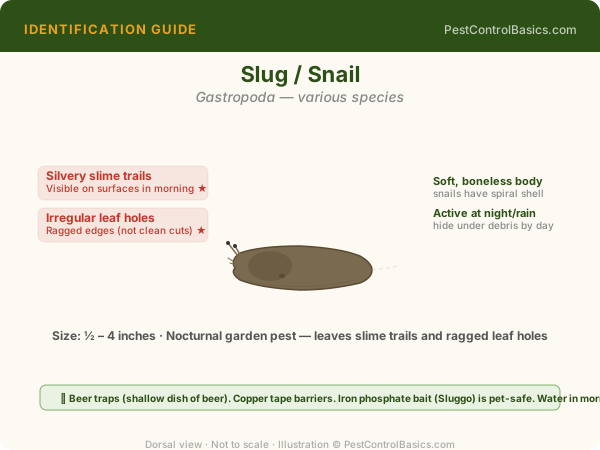
Original illustration by PestControlBasics.com. Use the labeled features above to confirm your identification.
🔍 Identification
Slugs: legless, shell-less gastropods; brown/grey/orange depending on species; leave glistening slime trail. Garden Snail (Cornu aspersum, formerly Helix aspersa): coiled shell; brown banded. Both feed primarily at night, hiding in moist protected areas during day. Size range: 5-200mm depending on species.
🧬 Biology & Behavior
Slugs and snails rasp plant tissue with a radula (file-like feeding organ), leaving irregular holes with ragged edges — unlike insect feeding damage. They're attracted to decaying organic matter and tender plant tissue. Peak activity: spring, fall, and during humid weather. They thrive in humid, temperate climates (Pacific Northwest and Northeast particularly).
⚠️ Damage & Health Risk
Ragged holes with slime trails; seedling destruction; fruit damage (especially strawberries); contamination of salad crops; damage worst in damp weather and in beds with excessive mulch.
🔧 DIY Treatment
Iron phosphate bait (Sluggo, Escar-Go): safest and most effective organic option. Safe around pets, wildlife, and birds. Applied as granules in garden bed. Reapply after rain.
Beer traps: effective but labor-intensive to maintain.
Copper tape: mild deterrent at container edges — not reliably effective in field gardens.
Metaldehyde bait: effective but toxic to dogs and wildlife — avoid if pets have access.
👷 When to Call a Pro
For large-scale slug pressure, professional landscape services can apply targeted treatments that are impractical at homeowner scale.