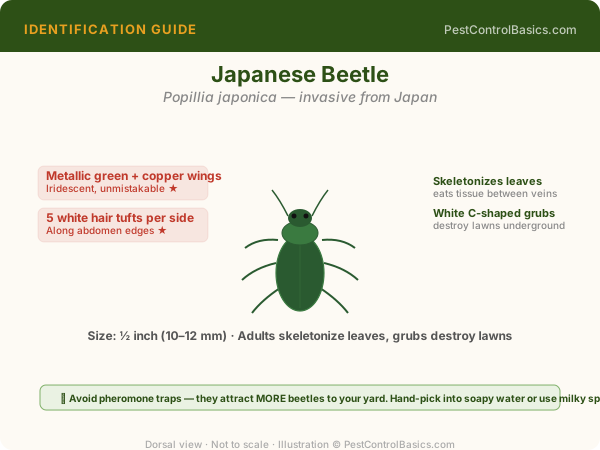
Original illustration by PestControlBasics.com. Use anatomical labels above to confirm your identification.
🔍 Identification
Adults: 10-15mm; distinctive bright orange with black markings; soft leathery wing covers (Cantharidae family name = 'soft-winged beetles'); found in large numbers on goldenrod, sunflowers, and other late-summer flowers. Often confused with fireflies (also orange/black, same size). Multiple species; the goldenrod soldier beetle (C. pennsylvanicus) is the most common.
🧬 Biology & Behavior
Adults feed on nectar, pollen, and aphids — they're valuable late-summer pollinators when most bee activity has declined, AND important predators of aphids and small caterpillar eggs. They're often seen mating on flowers — this benign mass congregation alarms homeowners who mistake it for a pest outbreak.
⚠️ Damage & Health Risk
Zero negative impact. Entirely beneficial. Their presence on goldenrod and sunflowers is a sign of a healthy garden ecosystem with good late-season pollinator support.
🔧 DIY Treatment
No treatment warranted or appropriate. Planting goldenrod, sunflowers, and other late-blooming plants supports soldier beetle populations — and by extension, natural aphid control into fall.
👷 When to Call a Pro
Never warranted — these are important beneficial insects.