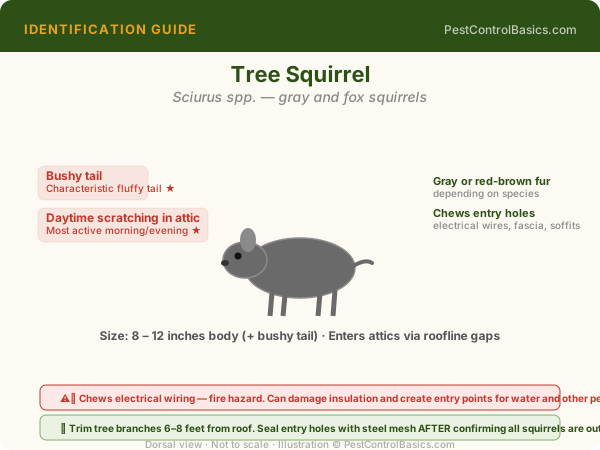
Original illustration by PestControlBasics.com. Use the labeled features above to confirm your identification.
🔍 Identification Photo
Use this photo to confirm your identification. Click to enlarge. Correct ID is the essential first step to effective treatment.
Eastern gray squirrel (Sciurus carolinensis) — gray coat, bushy tail with white-tipped hairs; the #1 attic-invading wildlife species in North America
📷 Wikipedia / Wikimedia Commons / CC BY-SA⚠️ Photo loaded live from Wikipedia/Wikimedia Commons (CC BY-SA). Appearance varies by region, age, and sex. When uncertain, contact a licensed pest professional.
The wiring fire risk
Squirrels gnaw constantly — their incisors are open-rooted and grow continuously throughout their lives. Without gnawing to wear them down, the teeth would grow long enough to prevent the squirrel from eating. Electrical wiring in attics is among the favorite gnawing targets.
When a squirrel gnaws through wiring insulation, the exposed copper creates arcing and heating that can ignite attic insulation. The National Fire Protection Association estimates that rodent-chewed wiring contributes to a substantial percentage of house fires of undetermined origin. When an electrician tells you "we can't determine the cause," rodent damage is frequently the undetected culprit.
First step: Before addressing the squirrel, inspect attic wiring for damage. Look for bare copper wire, chewed insulation, and any signs of heat discoloration near wiring. Address any wiring damage with a licensed electrician before the attic is sealed.
The only approach that permanently works
Trapping squirrels is a temporary fix — others from the surrounding area find the same entry points and move in. The permanent solution is one-way exclusion: allow resident squirrels to leave but prevent re-entry, then seal all access points.
One-way exclusion door: A device installed over the primary entry point that allows squirrels to push out but not back in. After 3–5 days (verify no young are inside first), remove the door and permanently seal the opening with hardware cloth and exterior-grade trim or metal flashing.
Critical timing: Never install one-way doors during nesting season (February–April for first litter; June–August for second litter). Pups that cannot leave with their mother will die in the attic, creating a severe odor problem and secondary pest attraction. If you hear young squirrels, wait until they are mobile (6–8 weeks old) before installing exclusion devices.
All other gaps must be sealed first: Before installing the one-way door, seal every other potential entry point. If you install a one-way door but leave three other gaps unsealed, excluded squirrels simply re-enter through another opening.
Flying squirrels: Nocturnal and often in larger groups (they're semi-colonial). You may not notice them until the colony is large. The same exclusion approach applies but may require more entry points to be addressed simultaneously.