πŸ¦‹ Webbing Clothes Moth

Tineola bisselliella Β· Lepidoptera: Tineidae

Webbing clothes moths are rarely seen β€” they avoid light completely. Most infestations are only discovered when damage to a favorite garment is found.

MothFabric PestTineidaeCashmereWoolNo Light
πŸ¦‹
Risk Level
Fabric Pest
πŸ“ FIELD GUIDE ILLUSTRATION
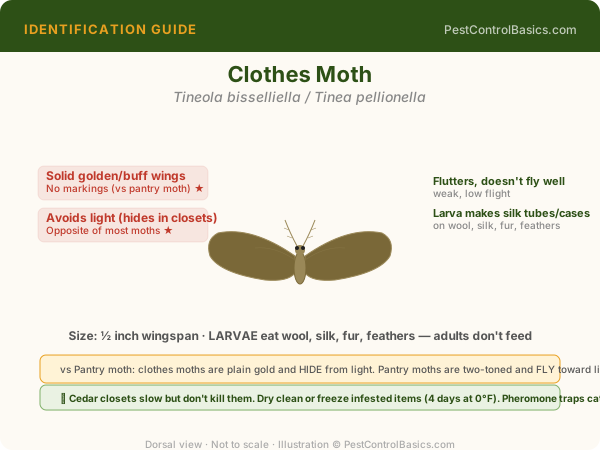
Clothes Moth (Tineola bisselliella) identification illustration with labeled anatomical features β€” PestControlBasics.com

Original illustration by PestControlBasics.com. Use anatomical labels above to confirm your identification.

πŸ”¬
PestControlBasics Editorial Team
Reviewed by Derek Giordano Β· Updated 2026

πŸ” Identification

Adults: 12-16mm wingspan; uniformly buff/golden with no markings; weak flyers; immediately hide when disturbed; NEVER fly to lights (opposite of food moths). Larvae: 6-10mm; creamy white with brown head; produces flat silk webbing on and around food source. Damage: irregular holes in natural fibers with characteristic flat silk webbing around the edges.

🧬 Biology & Behavior

Females lay 40-50 tiny white eggs on natural fiber fabrics β€” wool, cashmere, silk, angora, fur, feathers. Larvae hatch and immediately begin feeding and producing webbing. Complete development: 2-6 months in warm conditions, up to 2 years in cold. Adults live 1-3 weeks; adult females don't feed. Life cycle entirely dependent on natural protein fibers β€” they cannot develop on synthetic fabrics.

⚠️ Damage & Health Risk

Holes in wool, cashmere, silk, fur, and feather-filled items; silk webbing on damaged fabrics; loss of irreplaceable or high-value garments; museum collection damage.

πŸ”§ DIY Treatment

Monitor with pheromone traps (catches males, confirms presence). Inspect all natural fiber items thoroughly β€” including unlikely sources like piano felts and natural fiber rugs. Freeze confirmed items (0Β°F, 72 hours). Dry-clean high-value items. Permethrin spray to storage surfaces. Store in airtight sealed bags.

πŸ‘· When to Call a Pro

Rarely warranted β€” the protocol can be completed effectively by homeowners with the right approach.

❓ FAQ

Why don't I ever see clothes moth adults if I have an infestation?
Webbing clothes moth adults avoid light completely β€” they hide in the darkest areas of closets and storage spaces. Unlike food moths that fly around kitchens, clothes moths run for cover when disturbed. Their extreme light avoidance makes visual detection very difficult. Pheromone traps are the most reliable detection method.
Can I prevent clothes moths with cedar and lavender?
Cedar and lavender are traditional deterrents but have minimal scientific support as standalone prevention. Cedar oil repels some textile pests slightly but loses effectiveness as the wood dries (refreshing with cedar oil restores some activity). The only reliable prevention is storing natural fiber items in sealed airtight containers.
πŸ“š Sources: EPA Safe Pest Control Β· NPMA Pest Guide
Published: Jan 1, 2025 Β· Updated: Apr 7, 2026

πŸ—ΊοΈ US Distribution β€” Webbing Clothes Moth

image/svg+xml
Common Occasional Not Present
States Present
49
Occasional
2
Primary Region
All agricultural regions
πŸ“Š Source: University extension services, USDA, CDC vector data, and published entomological surveys.