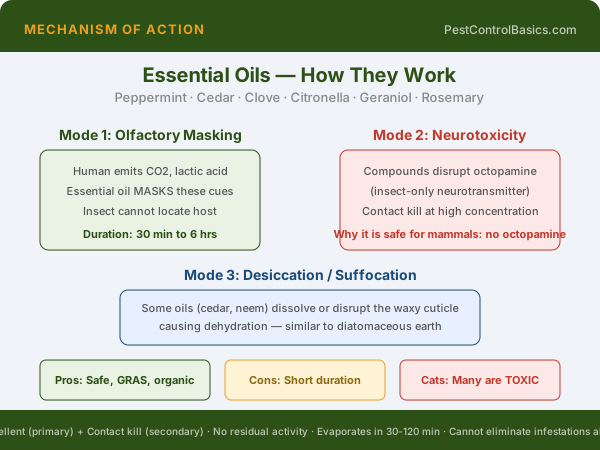
How essential oil works — illustrated mechanism of action
Citronella is the most widely recognized natural mosquito repellent in the world. Derived from lemongrass-family plants, it works primarily by masking the human scents (CO2, lactic acid) that attract mosquitoes. EPA-registered as a biopesticide with minimal risk classification.
How essential oil works — illustrated mechanism of action
Mosquitoes (proven short-duration repellent), biting flies (moderate), gnats (moderate). Limited effectiveness against: ticks, fleas, chiggers. NOT effective against: ants, cockroaches, bed bugs, spiders, or any non-flying biting insect.
Citronella candles (OFF!, Cutter, Murphy's), citronella torch oil, Repel Plant-Based Lemon Eucalyptus (related but different — oil of lemon eucalyptus is more effective than citronella), citronella wristbands (minimal effectiveness), citronella plants (Pelargonium citrosum — very mild effect). Bug Soother spray.
Very safe. FDA GRAS (Generally Recognized as Safe) status. No toxicity concerns at normal use levels. Can cause mild skin irritation in sensitive individuals — especially from candle smoke. Safe around children and pets.
The real data: A 2017 Journal of Insect Science review found citronella products provide about 50% less protection than DEET-based repellents. They work — just not as well or as long.
Best use case: Citronella candles and torches for outdoor dining/entertaining where you want SOME mosquito reduction without applying chemicals to skin. Place multiple candles around the seating area, not just one. Combine with fans — moving air disrupts mosquito flight.
Oil of Lemon Eucalyptus (OLE): Often confused with citronella, OLE (p-menthane-3,8-diol or PMD) is actually CDC-recommended as comparable to low-concentration DEET. If you want a plant-based repellent that truly works, OLE is the better choice over citronella.
Citronella plants: Simply having a citronella plant on your patio does almost nothing — the plant must be crushed to release its oils. The "mosquito plant" sold at garden centers (Pelargonium citrosum) contains very little citronella and has been shown in studies to be ineffective as a passive repellent.