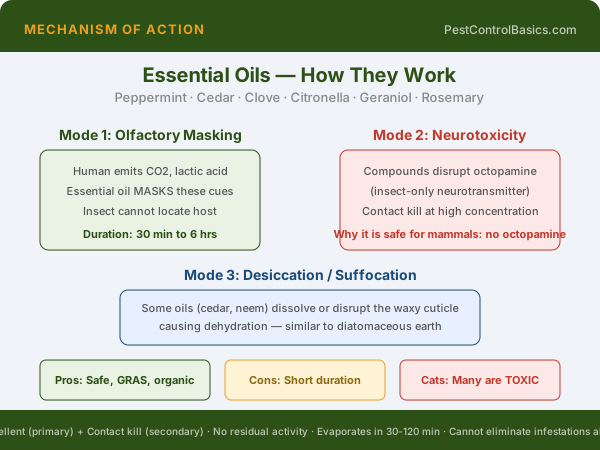
How essential oil works — illustrated mechanism of action
Eugenol — the primary active compound in clove oil — is one of the most potent natural insecticides. It kills on contact by disrupting the insect nervous system (octopamine and GABA pathways). Used in both household pest sprays and agricultural fumigation. Stronger than most essential oils.
How essential oil works — illustrated mechanism of action
Ants (contact kill + trail disruption — one of the best essential oils for ants), cockroaches (contact kill, repellent), mosquitoes (moderate repellent), flies (contact kill + repellent), wasps (contact kill in direct spray), fleas (contact kill at high concentration), mites, aphids. Dual use as fungicide against some plant pathogens.
EcoSmart Ant & Roach Killer (eugenol-based), Zevo ant spray, Aunt Fannies ant spray, Wondercide indoor spray (contains eugenol), Bioadvanced Natria insecticidal soap + eugenol, pure clove essential oil (dilute to 1-2%). Eugenol is also the active in many green commercial pest control services.
Eugenol is FDA GRAS as a food additive (it gives cloves their flavor). However, concentrated clove oil can cause significant skin irritation and chemical burns. Always dilute — never apply pure clove oil to skin or spray on pets.
For ants: Eugenol is arguably the best essential oil for ant control. Spray directly on ant trails — it kills on contact AND erases the pheromone trail. Reapply daily at entry points. Commercial eugenol sprays (EcoSmart, Zevo) are pre-diluted and ready to use.
DIY spray recipe: 20 drops clove essential oil + 10 drops peppermint oil + 1 tsp dish soap + 1 cup water in a spray bottle. Shake well before each use. Effective as a contact killer for ants, roaches, and flies — but only kills what you spray directly.
Key limitation: Like all essential oils, eugenol has no residual activity. It kills on contact but leaves no lasting barrier. Once it evaporates (1-2 hours), its effect is gone. This means it cannot replace baits or residual treatments for infestations.