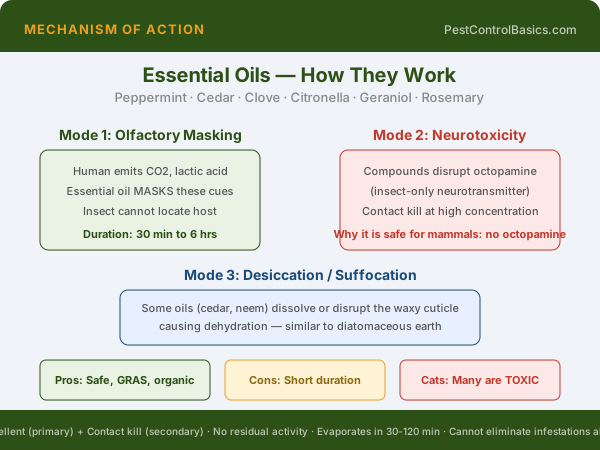
How essential oil works — illustrated mechanism of action
Essential oils like peppermint, cedar, clove, and citronella have real pest-repelling properties — but their effectiveness varies enormously by oil type, concentration, pest species, and application method. Here's what the science actually says, with no hype and no dismissal.
How essential oil works — illustrated mechanism of action
Varies by oil. Peppermint: spiders, mice (repellent only). Cedar oil: moths, fleas, ticks. Citronella: mosquitoes (short-duration). Clove/eugenol: ants, cockroaches. Rosemary: mosquitoes, flies. Lemongrass: mosquitoes. Geraniol: mosquitoes, ticks. Thyme oil: mosquitoes, ticks.
EcoSmart (various products), Wondercide (cedar oil based), Cedarcide, Aunt Fannie's, MDX Concepts, Zevo (light + oil traps), Eco Defense, Mighty Mint (peppermint), Harris Peppermint Oil spray. Many DIY recipes available.
Generally recognized as safe (GRAS) when used properly. Many are EPA 25(b) exempt — meaning EPA considers them minimal risk. However, "natural" does not automatically mean "safe."
The honest truth: Essential oils work as repellents — the scientific evidence is clear on this. Where they fall short is as killers. They repel pests but rarely eliminate infestations. Think of them as a first line of defense, not a total solution.
Best use cases: Prevention and repelling in low-pressure situations. Keeping spiders out of a clean garage. Deterring ants from a countertop. Repelling mosquitoes during a short outdoor event. NOT for: active infestations, termites, bed bugs, or any situation where elimination is needed.
Duration problem: Most essential oils evaporate within 30-60 minutes. You need frequent reapplication, or use formulations with fixatives that slow evaporation. This is their biggest practical limitation compared to synthetic repellents.