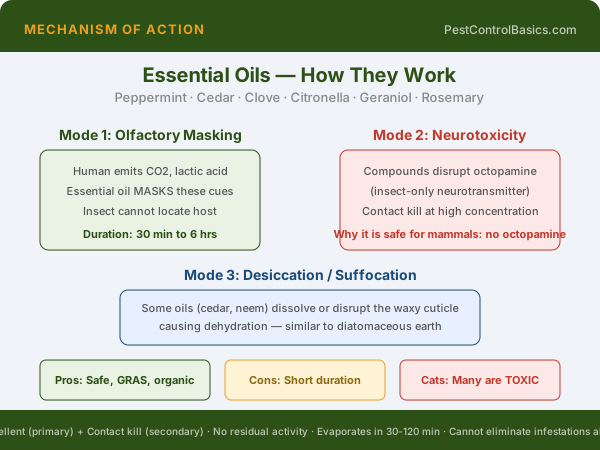
How essential oil works — illustrated mechanism of action
Lemongrass oil is closely related to citronella (both come from Cymbopogon grasses) and shares similar mosquito-repelling properties. It contains citral, geraniol, and citronellal as active components. Used in many natural pest control products as both a repellent and contact insecticide.
How essential oil works — illustrated mechanism of action
Mosquitoes (moderate repellent, comparable to citronella), flies (moderate), gnats, ants (mild trail disruption), fleas (mild contact activity). Some evidence of activity against stored product pests. Generally less effective than geraniol or oil of lemon eucalyptus but more effective than most essential oils.
Many natural pest products contain lemongrass as one of several active oils: EcoSmart sprays, Wondercide, Aunt Fannies, Bug Soother, various candles and torches. Pure lemongrass essential oil for DIY applications. Often combined with citronella, geraniol, and cedar oil in multi-oil formulations.
Generally safe. FDA GRAS as food flavoring. Can cause skin sensitization in some individuals with repeated contact. Dilute to 2-5% for skin application. Test on small area first.
Safe around dogs at normal use concentrations. Pleasant citrus scent that most people enjoy.
Lemongrass vs citronella: These are often confused because both come from Cymbopogon grasses and smell similar. Citronella oil (C. nardus/winterianus) has more mosquito repellent research behind it, but lemongrass oil (C. citratus) contains higher levels of geraniol, which may actually be the most active repellent component in both.
Best DIY recipe: 15 drops lemongrass oil + 10 drops geraniol + 5 drops cedar oil + 1 tsp vegetable glycerin + 1 cup distilled water. Shake well, spray on skin and clothing. Provides approximately 1-2 hours of mosquito repellency. Reapply frequently.
Around the patio: Lemongrass plants (the actual plant, not the scent-named geranium) produce some natural repellent effect when leaves are crushed and rubbed on skin or placed on tables. More effective than passive citronella plants but still limited range.