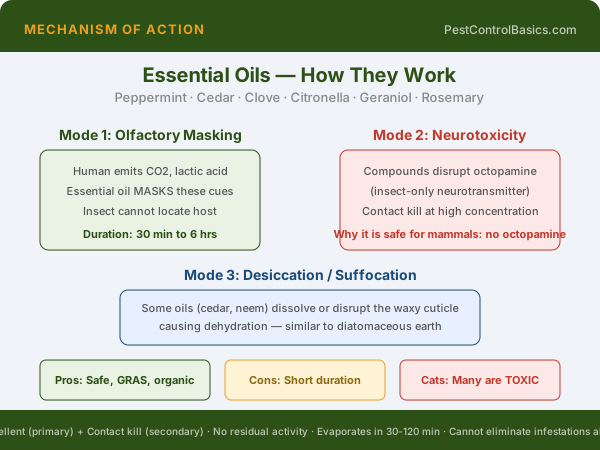
How essential oil works — illustrated mechanism of action
Peppermint oil is one of the most popular natural pest deterrents. Research confirms it repels spiders, mice, and some insects — but with important caveats about duration and concentration. Contains menthol (40-50%) and menthone as active components.
How essential oil works — illustrated mechanism of action
Spiders (proven repellent effect in studies), mice and rats (short-term deterrent — they dislike the scent but will push through if motivated), ants (temporary trail disruption), mosquitoes (weak, short-duration repellent), cockroaches (mild repellent only). NOT effective against: bed bugs, termites, fleas, ticks, or any established infestation.
Mighty Mint spray, Rodent Sheriff, MDX Concepts, Harris Peppermint Oil spray, Eco Defense, Nature's Shield. Pure peppermint essential oil (dilute to 2-5% in water with emulsifier). Many DIY recipes available.
Generally safe for humans. Can cause skin irritation if applied undiluted. Eye irritation is significant — keep away from face.
Safe around dogs in normal concentrations. Keep away from aquariums — toxic to fish.
For spiders: Mix 10-15 drops peppermint oil per cup of water with a drop of dish soap (emulsifier). Spray around entry points, window frames, and baseboards. Reapply weekly. This genuinely works — multiple studies confirm spider repellent effect.
For mice: Soak cotton balls in pure peppermint oil and place at entry points. The honest truth: this only works short-term and in enclosed spaces. Mice will tolerate the scent if food is available. Use as a supplement to exclusion (sealing holes), never as your only strategy.
The evaporation problem: Peppermint oil loses potency within 24-48 hours as menthol evaporates. Any product claiming "lasting protection" from peppermint alone is overstating its case. Plan for frequent reapplication.