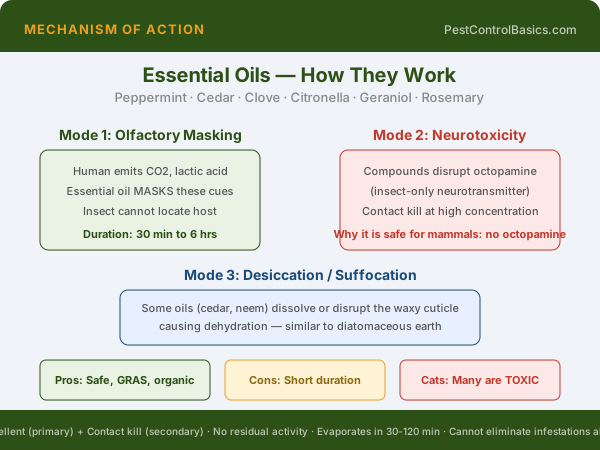
How essential oil works — illustrated mechanism of action
Rosemary oil is an EPA 25(b) exempt botanical insecticide with proven activity against several common pests. Its active compounds - 1,8-cineole, camphor, and alpha-pinene - provide contact insecticidal action against soft-bodied insects and moderate repellent effects against mosquitoes and flies.
How essential oil works — illustrated mechanism of action
Soft-bodied insects: aphids, whiteflies, spider mites, thrips, mealybugs. Also moderate mosquito and fly repellent. Some activity against stored product pests and clothes moths. Better contact kill than most essential oils due to camphor and 1,8-cineole content.
EcoSmart Garden Insect Killer (contains rosemary oil), Wondercide, Eco Defense, various organic garden sprays. Pure rosemary essential oil for DIY solutions. Rosemary oil is a common ingredient in organic flea shampoos for dogs.
Generally safe. FDA GRAS. Lower skin sensitization risk than clove or cinnamon oils. One of the safer essential oils for use around dogs (but not cats).
Can cause eye irritation. Avoid contact with eyes and mucous membranes.
For aphids and whiteflies: Rosemary oil sprays provide genuine contact kill against soft-bodied garden pests. Mix 1 tsp rosemary oil + 1 tsp dish soap + 1 quart water. Spray directly on pests, covering all leaf surfaces including undersides. Reapply every 5-7 days.
For spider mites: Rosemary oil is one of the more effective essential oils against spider mites. The fumigant action of camphor and cineole penetrates the fine webbing that protects mite colonies. Apply as a fine mist to affected plants.
Dog flea treatment: Rosemary oil is a common ingredient in natural flea shampoos and sprays for dogs. While not as effective as fipronil or imidacloprid pharmaceutical treatments, it provides some flea repellency and is safe for dogs when properly diluted.