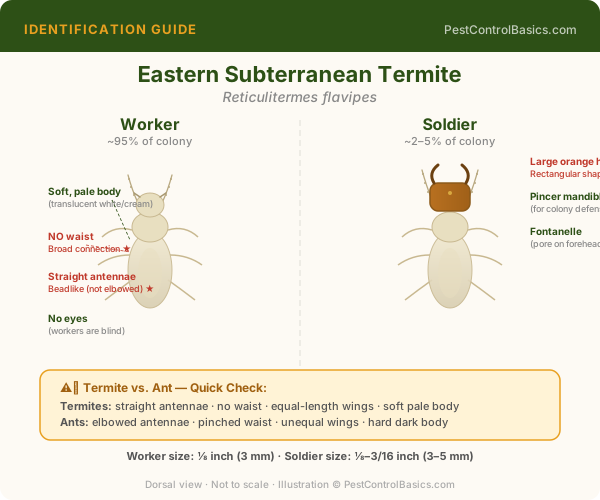
Original illustration by PestControlBasics.com. Worker and soldier castes shown with key identification features that distinguish termites from ants.
Not all termites are the same — and it matters
The species determines the treatment. Subterranean termites require soil treatment or bait systems. Drywood termites often require localized injection or whole-structure fumigation. Formosan termites are the most destructive on the planet. Identify first, treat second.
Do you have termites right now?
Termites are silent. By the time most homeowners notice damage, the colony has been feeding for months or years. These are the signs you need to check for — some obvious, some not.
Most termite signs are invisible to homeowners. Professional inspectors use moisture meters, borescopes, and acoustic detection devices to find colonies inside walls and under floors. Annual inspections (especially in southeastern states) are not optional — they're your only true early warning system. Most pest control companies offer free initial inspections.
Three proven treatments — which is right for you?
Termite treatment is not a DIY project for serious infestations. The products and equipment required are professional-grade. Here's an honest comparison of every effective treatment option.
Termidor (fipronil) is the most widely used professional termiticide for a reason. Unlike older chemicals that killed termites on contact (driving survivors away), fipronil is undetectable to termites. They walk through the treated zone, carry the chemical on their bodies, and share it with every nestmate through social grooming. A single termite can transfer the chemical to 200+ others before dying. Colony elimination — not just suppression.
What you'll actually pay — and what insurance covers
Termite treatment costs vary significantly based on species, home size, infestation severity, and method. Here are real-world ranges — not low-ball estimates.
| Service | Home Size | DIY Cost | Pro Cost | Notes |
|---|---|---|---|---|
| Liquid Treatment (Termidor) | 1,000–2,000 sq ft | N/A — Pro only | $500–$1,200 | Per linear foot of foundation |
| Liquid Treatment (Termidor) | 2,000–4,000 sq ft | N/A — Pro only | $1,200–$2,500 | Per linear foot of foundation |
| Bait System (Sentricon) | Any size | $150–$400 | $1,200–$3,500 + annual | Annual monitoring fee $300–$500/yr |
| Fumigation — Small Home | Under 1,500 sq ft | N/A — Licensed only | $2,000–$3,500 | 3-day displacement required |
| Fumigation — Large Home | 2,500–4,000 sq ft | N/A — Licensed only | $4,000–$8,000+ | Cubic footage calculation |
| Localized Wood Treatment | Per area | $30–$80 (Tim-bor) | $200–$800 | For isolated drywood infestations |
| Annual Inspection Only | Any | N/A | $75–$150 | Often free from pest companies |
| Structural Repair | Light damage | $500–$2,000 | $2,000–$10,000+ | Separate from treatment — contractor needed |
Standard homeowner's insurance policies explicitly exclude termite damage. It is classified as a "preventable maintenance issue." The only financial protection available is a termite bond (warranty) through a pest control company, which typically costs $200–$500/year and may include re-treatment and limited repair coverage. If you own a home in the South, a termite bond is not optional — it's essential.
How bad is your situation?
Answer a few questions to get an estimate of your situation's severity and what you're likely looking at in terms of treatment and repair costs.
Walk your home — know what to look for
While a professional inspection is essential annually, this checklist helps you catch early signs between professional visits. Check each item as you go.
How to make your home unattractive to termites
🏗️ Structural Prevention
Maintain a 6-inch gap between soil and any wood structural element. Never allow wood siding to contact soil. Use concrete or metal supports to elevate wood posts. Keep gutters clean and downspouts directed away from the foundation — subterranean termites need moisture, and poor drainage is their best friend.
🌿 Landscape & Yard
Remove tree stumps and dead roots within 30 feet of the structure. Avoid wood mulch within 12 inches of the foundation — use rubber mulch, gravel, or pine bark alternatives. Store firewood at least 20 feet from the house and elevated off the ground. Remove any wood-to-soil contact in decking, fences, and retaining walls where possible.
💧 Moisture Control
Fix all leaks promptly — roof, pipes, AC condensation lines. Ensure crawlspaces are ventilated and have vapor barriers. Repair caulking around windows, doors, and utility penetrations. Subterranean termites cannot survive in dry conditions — moisture control is your primary biological weapon against them.
🧱 Chemical Prevention
In high-risk states (FL, TX, GA, LA, AL, SC), preventive soil treatment with Termidor before termites arrive is often more cost-effective than treatment after infestation. Ask your pest control company about preventive liquid treatment or a Sentricon monitoring system as a long-term annual investment.
Annual professional inspection + Sentricon monitoring costs roughly $300–$500/year. The average termite repair bill is $3,300. One infestation that goes undetected for two years can cause $15,000+ in structural damage. Annual monitoring has a clear, documented ROI — especially in the southeastern United States.