📐 FIELD GUIDE ILLUSTRATION
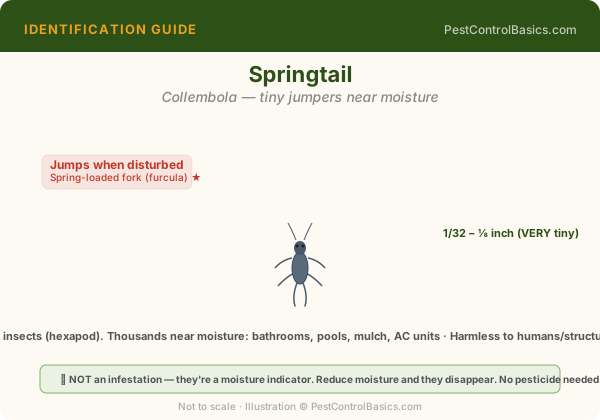
Original illustration by PestControlBasics.com. Use anatomical labels above to confirm your identification.
📋 Steps
1
Confirm springtails — not fleas or other jumpers
Springtails: 0.5-2mm; elongated or round; grey, white, or black; jump using a forked tail structure; found near moisture. Key difference from fleas: springtails jump randomly in all directions; fleas jump in a directed manner toward warmth. Springtails don't bite, don't infest animals, and die within days without moisture.
2
Find every moisture source
Inspect: leaking pipes under sinks, foundation moisture, overwatered houseplants, clogged gutters draining against the foundation, condensation on pipes, HVAC condensate drains, and any area with chronic dampness. Springtails need 70%+ relative humidity — find what's providing it.
3
Fix the moisture source
Repair leaks, improve ventilation, install a dehumidifier to maintain below 60% RH, fix gutter drainage, and address any condensation issues. Without moisture, springtails die within days. This is the complete solution.
4
Apply bifenthrin to entry points while waiting
Bifenthrin applied to foundation gaps and entry points kills springtails as they enter while the moisture problem is being addressed. This provides immediate symptom relief.
5
Remove excess mulch and organic material
Mulch beds deeper than 3 inches retain moisture that supports enormous springtail populations at the foundation. Reduce mulch depth and maintain an 18-inch gap between mulch and the structure.
💡 Tips
- If springtails are in your bathroom, the source is usually under the floor or in wall moisture — a hidden leak is more likely than outdoor migration
- Pool springtail events (covering the water surface after rain) resolve on their own as the weather changes — no treatment needed or effective
- Springtails in soil of houseplants indicate overwatering — let soil dry more between waterings and consider Bti drench to kill the springtails feeding on fungal material
⚖️ Educational use only. Disclaimer →