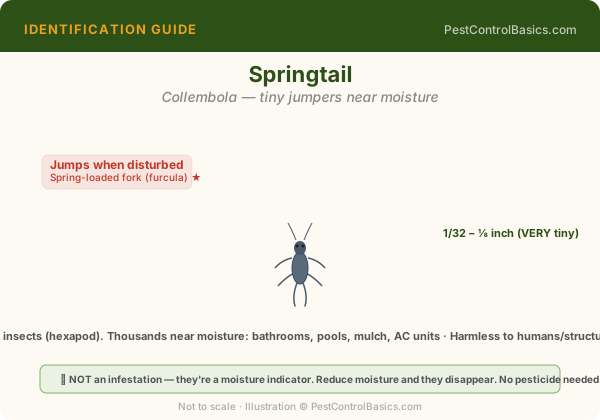
Original illustration by PestControlBasics.com. Use anatomical labels above to confirm your identification.
🔍 Identification
0.5-2mm; white to grey to dark; jump when disturbed using their furcula (forked appendage). Found in enormous numbers near moisture: flooded basements, leaking pipes, overwatered potted plants, wet concrete, damp wall voids. They cannot harm humans, pets, plants, or structures — they eat mold and organic debris.
🧬 Biology & Behavior
Springtail populations in the millions live in healthy soil. Their explosions are triggered by moisture events: a plumbing leak, flooded basement, heavy rain infiltration, or overwatered plants. Populations that lived quietly underground suddenly have interior access and abundant moisture. They die within 24-48 hours indoors without sustained moisture.
⚠️ Damage & Health Risk
Psychological disturbance from thousands of tiny jumping insects. No structural damage, no biting, no disease. Their presence is a moisture diagnostic — springtails are a symptom, not the root cause.
🔧 DIY Treatment
Find the moisture source — this resolves the infestation. Eliminate the plumbing leak, fix the basement drainage, reduce watering, improve ventilation. Applying diatomaceous earth or bifenthrin kills springtails but they reappear if moisture is not addressed.
👷 When to Call a Pro
Rarely warranted unless moisture source requires professional assessment (waterproofing, plumbing repair).