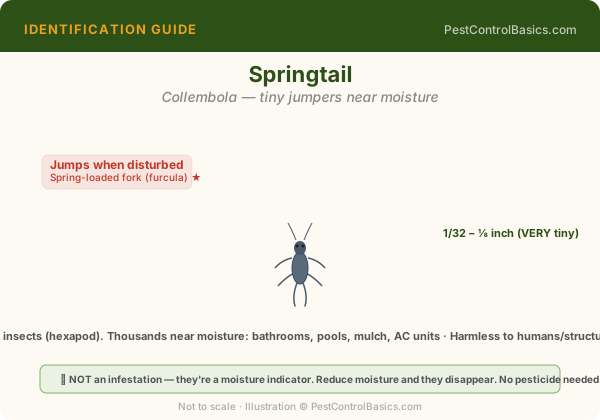
Original illustration by PestControlBasics.com. Use anatomical labels above to confirm your identification.
🔍 Identification
0.5-2mm; soft-bodied; white to grey to dark; 6 legs; spring-loaded furcula (forked appendage folded under abdomen) releases to catapult them considerable distances — distinguishes them from all similar-sized insects. Found near moisture: leaking pipes, flooded basements, overwatered plants, concrete expansion joints in wet conditions. Can appear in thousands suddenly after a moisture event.
🧬 Biology & Behavior
Collembola are not technically insects (they lack wings and have different mouthpart structure) but are often grouped with them. They're among the oldest hexapod lineages — fossil springtails date back 400 million years. They eat mold, fungi, bacteria, and organic debris. They're critical decomposers in soil food webs. They cannot survive indoors without persistent moisture.
⚠️ Damage & Health Risk
Psychological disturbance from sudden appearance in thousands. Zero damage to plants, structures, or humans. Harmless. Diagnostic: their presence confirms recent or ongoing moisture event.
🔧 DIY Treatment
Find the moisture source — fix the leak, improve drainage, reduce watering. Springtails die in 24-48 hours in low humidity without the moisture source. Diatomaceous earth or bifenthrin kills them but they'll return without moisture correction.
👷 When to Call a Pro
Never warranted alone — moisture source correction is the solution.