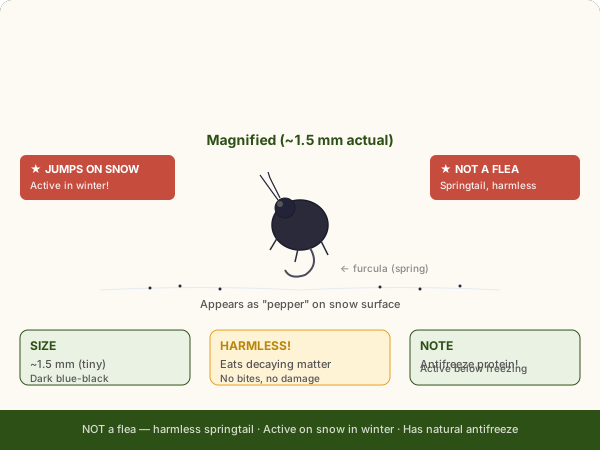
Illustrated identification guide — PestControlBasics.com
🔍 Identification
0.5-2mm; dark blue-black; cylindrical; visible on snow as dense masses of tiny specks that move when disturbed. Found on snow surfaces on mild winter days (temperatures above 28°F). The forked jumping appendage (furcula) under the abdomen is visible with magnification — the same feature shared by all springtails.
🧬 Biology & Behavior
Snow fleas have a unique biological antifreeze protein (similar to those in Arctic fish) that allows them to remain active at near-freezing temperatures. They emerge on snow to feed on algae, pollen, and fungi on the snow surface. Found throughout eastern North America in winter. They live primarily in soil and leaf litter and emerge on snow only briefly on mild days.
⚠️ Damage & Health Risk
Zero — completely harmless. Cannot bite, sting, or damage anything. Not related to true fleas. Cannot infest humans, pets, or structures. Fascinating example of cold-adaptation biology.
🔧 DIY Treatment
No treatment needed, warranted, or appropriate — this is a natural winter phenomenon worth observing, not controlling.
👷 When to Call a Pro
Never warranted.