📐 FIELD GUIDE ILLUSTRATION
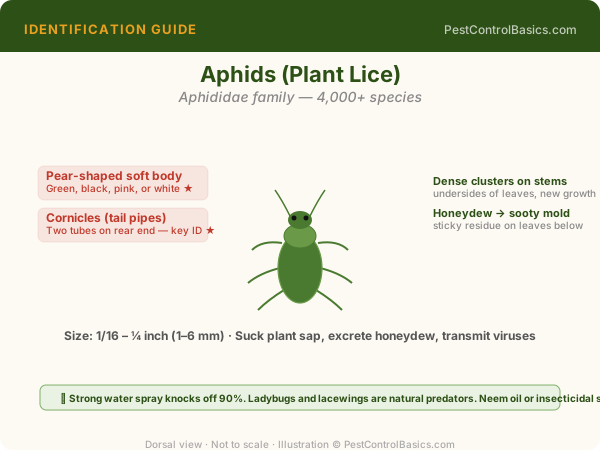
Original illustration by PestControlBasics.com. Use anatomical labels above to confirm your identification.
📋 Steps
1
Wait for natural enemies first
In spring when aphids first appear on fruit tree foliage, wait 7-10 days before treating. Lady beetles, hover fly larvae, and lacewings typically arrive and begin reducing colonies within 5-10 days of large aphid colony development. A partial colony that's being actively attacked by beneficial insects rarely reaches economic damage levels.
2
Apply dormant oil in late winter
Horticultural oil applied at 3-4% concentration in late winter (after bud swell but before green tip) kills overwintering aphid eggs on bark. This single application can dramatically reduce spring aphid populations on apple, pear, and stone fruit. Don't apply below 40°F or when freezing weather is forecast.
3
Use forceful water spray for visible colonies
Strong water spray directed at aphid colonies on tree foliage dislodges 80-90% of individuals. For small trees, this is the most practical and environmentally benign management tool. Repeat every 3-5 days.
4
Apply insecticidal soap for persistent colonies
2-3% insecticidal soap applied directly to colonies on leaf undersides kills aphids on contact. Apply in the morning, ensure thorough coverage of undersides. Do not apply during bloom to avoid bee contact.
5
Use imidacloprid soil drench only as last resort
Imidacloprid soil drench provides systemic protection but persists in nectar and pollen — potentially harming bees. Use only when other methods have failed, and apply in fall after bloom has ended or in early spring before bud break to minimize residue in pollen.
💡 Tips
- Woolly apple aphid on roots is more serious than foliar aphids and requires systemic treatment — imidacloprid drench is appropriate for confirmed woolly apple aphid root infestation
- Ants attending aphid colonies protect them from natural enemies — tanglefoot around tree trunks removes ant protection and often allows natural enemies to collapse colonies without spray
- The curled leaves caused by aphid feeding often persist even after aphids are gone — don't keep treating for damage that's already done
- Different aphid species have different natural enemies and different treatment windows — rosy apple aphid must be treated very early in spring before leaves curl; other species are more forgiving of treatment timing
⚖️ Educational use only. Disclaimer →