πŸ”§ HOW-TO

How to Treat Aphids on Trees and Large Shrubs

Tree aphid treatment requires different tools than garden aphid treatment β€” the scale and access points are completely different.

⏱️ 2 hours + seasonal monitoring πŸ’ͺ Moderate
πŸ“ FIELD GUIDE ILLUSTRATION
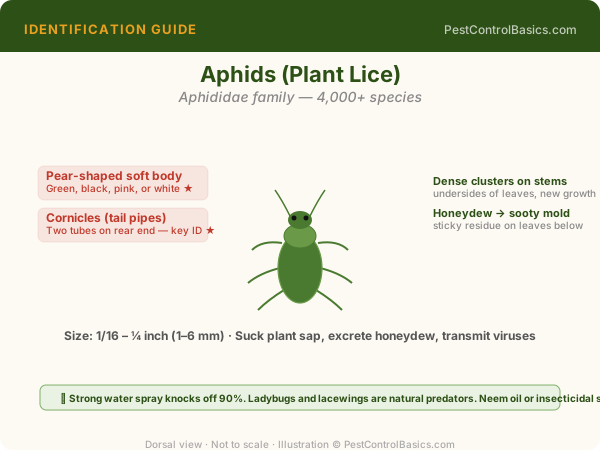
Aphids (Aphididae) identification illustration with labeled anatomical features β€” PestControlBasics.com

Original illustration by PestControlBasics.com. Use anatomical labels above to confirm your identification.

🧰 What You'll Need

Horticultural oilSystemic imidaclopridHose with high-pressure nozzleAnt barrier tape

πŸ“‹ Steps

1
Assess the severity β€” many tree aphid infestations self-resolve
Most established trees can tolerate significant aphid populations without long-term damage. The primary drivers of treatment decisions: honeydew dripping onto hardscape or cars (nuisance); sooty mold development; young or recently transplanted trees; or documented evidence of tree decline.
2
Control ants tending the aphid colony
Install a sticky barrier band (Tanglefoot or similar) on the trunk to prevent ant access. Ants actively protect aphid colonies from predators β€” removing ant protection allows lady beetles, lacewings, and parasitoid wasps to dramatically reduce aphid populations without any chemical treatment.
3
Apply forceful water spray to accessible branches
A high-pressure water spray knocks 50-80% of aphids off branches and disrupts the colony structure. For small trees accessible with a hose, this can be highly effective and requires no insecticide.
4
Apply systemic imidacloprid soil drench for large trees
For large trees where spray access is impossible: systemic imidacloprid (Bayer Tree & Shrub) applied as a soil drench around the root zone is absorbed and translocated throughout the tree. Protects the entire tree from soil-level application. Avoid on flowering trees during bloom.
5
Apply dormant oil in late winter for overwintering eggs
For trees with annual aphid problems: a dormant oil spray in late February-March (before bud break) kills overwintering aphid eggs on bark, significantly reducing spring populations before they build.

πŸ’‘ Pro Tips

  • The ant control step is often more effective than any insecticide β€” this is the step most people skip
  • Aphid populations on established trees rarely cause lasting harm β€” tolerance is often the most ecological approach
  • Giant conifer aphids (on pines and spruces) are often considered beneficial because the honeydew they produce supports extensive food web energy

⚠️ Warnings

  • Imidacloprid applied as a soil drench should not be used within bloom period of flowering trees β€” it translocates to pollen and nectar, creating bee exposure risk

πŸ’° Cost to Fix This Problem

ApproachTypical CostBest For
DIY materials only$25–$75Mild or early-stage infestations
Professional service (one-time)$150–$400Active infestations or when DIY has already failed
Ongoing service contract$400–$800/yrPrevention and long-term peace of mind

Costs vary by region, property size, and severity. Get at least two quotes before hiring.

βœ… How to Know It's Working

Pest control success is measured in weeks, not days. Here's what to look for:

πŸ’‘ Monitoring tip: Place sticky traps in corners and along walls before you start treatment. Counting catches weekly gives you objective data on whether the population is declining.

πŸ‘· When to Call a Professional

DIY is appropriate for small, contained infestations caught early. Call a licensed professional when:

⚠️ Rule of thumb: If you've spent more on DIY materials than a professional visit would cost, it's time to call.

❓ Frequently Asked Questions

What is the fastest way to eliminate aphids?
A strong water spray from a garden hose knocks off 80-90% immediately. Follow up with insecticidal soap 24 hours later targeting leaf undersides. This works faster than any single product and avoids killing beneficial insects.
Will ladybugs control my aphid problem?
Purchased ladybugs typically fly away within 48 hours. Attracting native beneficials by planting nectar-rich flowers provides lasting biological control. If chemicals are needed, use selective products like insecticidal soap that preserve beneficials.
Why do ants appear wherever I have aphids?
Ants farm aphids for their honeydew, a sugar-rich excretion. Ants actively protect aphids from predators. Controlling ants with bait stations near affected plants can improve natural aphid control by allowing predators access.
Are aphids harmful to mature trees?
Healthy mature trees tolerate moderate infestations without significant damage. Aphids cause curled leaves, sticky honeydew, and sooty mold. Treatment is warranted for young or stressed trees and severe infestations.

πŸ“š More on This Topic

Related guides and profiles:

πŸ”— πŸ› Aphids β€” Complete Control GuideπŸ”— AphidsπŸ”— πŸ› Woolly AphidπŸ”— Aphid Life Cycle
πŸ“š Sources: UC IPM Aphids Β· EPA Safe Pest Control
Published: Jan 1, 2025 Β· Updated: Apr 7, 2026