🔧 Treatment Guide
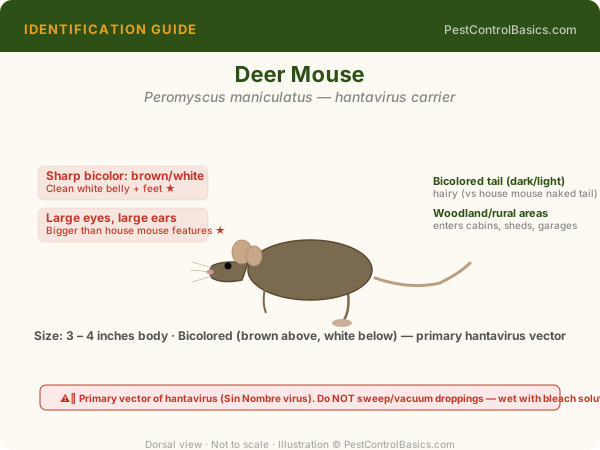
Both require exclusion and trapping, but deer mouse infestations require strict hantavirus precautions during cleanup: wear an N95 respirator, wet down droppings with 10% bleach solution before wiping (never dry-sweep), and dispose of materials in sealed bags.
💡 Confirm before treating: Misidentification is common with these two species. Capture a specimen and compare against the table above before purchasing any products.
❓ Identification FAQ
How do I know if the mouse I have carries hantavirus?
You cannot tell by appearance alone — lab testing is required. Treat any mouse infestation in rural areas, cabins, barns, or outbuildings as a potential hantavirus risk. Deer mice (two-toned with white belly) are the primary carrier, but when uncertain, use full precautions.
Is hantavirus really a serious risk?
Yes. Hantavirus Pulmonary Syndrome (HPS) has a 38% case fatality rate. However, transmission requires disturbing dried deer mouse droppings or urine in enclosed spaces. The risk is real but preventable with proper precautions — wetting droppings before removal eliminates the airborne transmission route.
What's the fastest way to confirm which pest I have?
Capture a live or dead specimen and compare it directly against the identification features in this guide. A clear close-up photo submitted to your county's cooperative extension service will get you a free expert identification within 1–3 business days. iNaturalist is also excellent for invertebrate ID.
Can I treat for both at the same time?
If you're unsure which pest you have, it's often more effective to wait for confirmation rather than applying multiple treatments. Misapplied pesticides can scatter populations without eliminating them. The exception: if both pests require identical treatment (as with many fall invaders), treating once covers both.