🔬 LIFE CYCLE

Clothes Moth vs. Carpet Beetle — Telling Them Apart Life Cycle

Multiple species · Lepidoptera/Coleoptera

Clothes moths and carpet beetles cause nearly identical damage to natural fiber fabrics — but they look completely different and need slightly different treatment approaches.

📐 FIELD GUIDE ILLUSTRATION
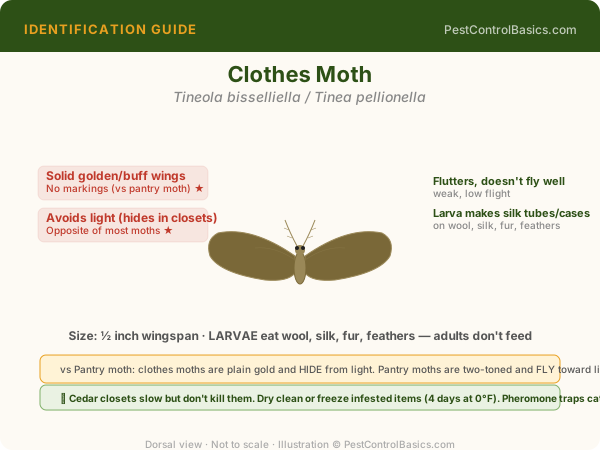
Clothes Moth (Tineola bisselliella) identification illustration with labeled anatomical features — PestControlBasics.com

Original illustration by PestControlBasics.com. Use anatomical labels above to confirm your identification.

🔄 Stages

🥚Egg
🐛Larva
🫘Pupa
🦋Adult
🥚
Egg
Both Lay Eggs on Natural Fibers
Clothes moth: tiny white eggs on or near fabric. Carpet beetle: tiny white eggs near food source (fabric, dried protein, pollen). Both hatch in 5-14 days depending on temperature.
🐛
Larva
THE KEY DIAGNOSTIC DIFFERENCE
Clothes moth larva: cream-colored caterpillar with brown head; produces silk webbing over fabric. Carpet beetle larva: brown, hairy (with tufts of bristles at rear); does NOT produce silk webbing. This single observation — silk webbing present or absent — identifies the pest.
🫘
Pupa
Different Locations
Clothes moth: pupates within silk case on or near fabric. Carpet beetle: pupates away from the fabric — in baseboards, carpet edges, behind furniture.
🦋
Adult
Completely Different Appearance
Clothes moth adult: small (15mm wingspan), buff/gold colored, avoids light. Carpet beetle adult: 2-4mm, oval, patterned — found on flowers and near windows (attracted to light — opposite behavior from clothes moth).

🔬 Key Facts

🔍Key diagnostic: Silk webbing present = clothes moth. No silk webbing = carpet beetle. This one observation identifies the pest without catching an adult or larva
🌸Carpet beetle entry: Adults enter on cut flowers, through windows, from attics and wall voids with bird/rodent nests — different entry than clothes moths
🎯Treatment difference: Clothes moth: pheromone traps attract males (confirm presence). Carpet beetle: pheromone traps DON'T work — identification requires finding adults or larvae

📅 Season

Clothes moth: year-round in undisturbed stored fabrics. Carpet beetle: spring entry from outdoors; eggs laid on fabric any time of year indoors.

⏰ Treatment

Both: find and remove all sources; freeze or dry-clean affected items; vacuum thoroughly; apply permethrin to storage surfaces. Clothes moth specific: pheromone traps for monitoring. Carpet beetle specific: UV blacklight for detecting larvae; inspect for outdoor entry points (attic vents, windows).

✅ Target the most vulnerable stage.

🎯 Life Cycle Stage × Treatment Effectiveness

Understanding life cycle stages allows you to target the most vulnerable period and plan follow-up treatments to catch individuals that survived as eggs or pupae.

StageDurationTreatment Approach
Egg/PupaVariableOften resistant to insecticides. Target adults and larvae while preventing egg-laying.
Larva/NymphVariableOften the most susceptible stage to IGRs and targeted treatments.
AdultVariablePrimary treatment target. Elimination of adults stops reproduction.

⏰ Why Timing and Follow-Up Matter

Most treatment failures happen because of two mistakes: treating only once, and treating only the visible population. Life cycles mean there are always individuals in a pesticide-resistant stage (eggs, pupae, or protected cases) that will emerge after your first treatment.

💡 Key principle: You're not treating today's population — you're breaking the reproductive cycle.

❓ Life Cycle FAQ

How does knowing the life cycle help me treat this pest?
Life cycle knowledge tells you which stages are present and which are vulnerable. Treating when only adults are present misses eggs that will hatch in days. Timing treatments to coincide with the vulnerable stages — and planning follow-ups for resistant stages — dramatically improves outcomes.
Why do pests come back even after a thorough treatment?
Eggs, pupae, and protected life stages (like cockroach egg cases) are resistant to most insecticides. They hatch or emerge after treatment and rebuild the population. The solution is scheduled follow-up treatments timed to catch each new cohort as it becomes vulnerable.
How long does a complete life cycle take?
Cycle duration varies by species and temperature — warmer temperatures accelerate all stages. At typical indoor temperatures (70°F), most common household pest cycles complete in 4–12 weeks. This is why 6-week treatment protocols are the standard minimum for most infestations.
Published: Jan 1, 2025 · Updated: Apr 7, 2026