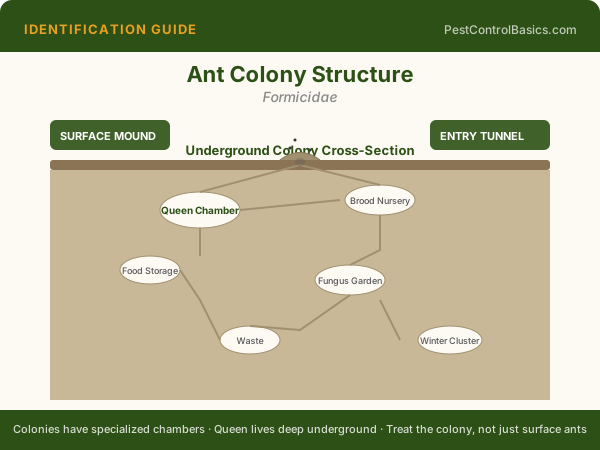
Illustrated identification guide — PestControlBasics.com
🔍 Identification
Colony components: Queen(s) — primary reproductive; sole source of worker eggs; protected deep in nest; never forages. Workers — sterile females; foragers you see represent 10-20% of total worker population. Larvae — developing workers. Pupae — developing workers. Males — seasonal, only during mating flights. The key fact: workers you see foraging represent a tiny fraction of the colony. A 100,000-worker odorous house ant colony with 1% foraging = 1,000 workers visible. Kill all 1,000 foragers = colony loses 1% of workers and replaces them within days.
🧬 Biology & Behavior
Bait works because workers collect it and share it by trophallaxis (mouth-to-mouth food transfer) throughout the colony, eventually reaching the queen. This transfer kills individuals at every level including the reproductive queen(s). Spray kills foragers on contact but the queen is never exposed. This is why spray seems to 'work' immediately (foragers die) but the infestation always returns (queen survives and replaces workers).
⚠️ Damage & Health Risk
Repeat spray application creating illusion of treatment; queen survival allowing colony recovery; colony splitting from repellent sprays creating multiple entry points.
🔧 DIY Treatment
Species-appropriate bait — sweet bait for odorous house ants, protein bait for thief ants, etc. Place on active trails. Do not spray where bait is placed. Allow 2-4 weeks for full colony elimination.
👷 When to Call a Pro
For large carpenter ant colonies or high-pressure commercial accounts: professional treatment combining void treatment with imidacloprid and perimeter spray.