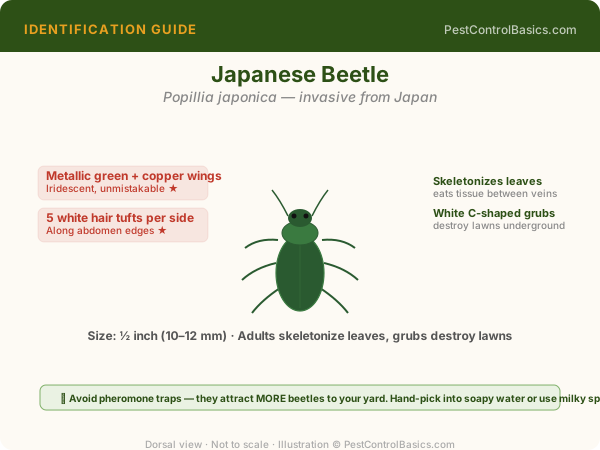
Original illustration by PestControlBasics.com. Use anatomical labels above to confirm your identification.
🔍 Identification
Common Asparagus Beetle (C. asparagi): 6-9mm; blue-black with 3 red-bordered yellowish-white squares on each wing cover; red thorax margins. Found on asparagus spears beginning when soil warms in spring. Spotted Asparagus Beetle (C. duodecimpunctata): 7-8mm; orange-red with 12 black spots; appears slightly later, feeds more on berries.
🧬 Biology & Behavior
Adults overwinter in debris and emerge precisely when asparagus spears emerge. They feed on spears and lay dark eggs along the spear edges. Larvae hatch and feed on ferns, defoliating plants and reducing energy storage for next year's production. Two generations per year in most regions.
⚠️ Damage & Health Risk
Direct spear feeding causes scarring and bent tips; black egg rows on spears are unsightly and reduce marketability; larval defoliation of ferns reduces vigor and next year's production.
🔧 DIY Treatment
Hand-pick adults and egg-covered spears daily during harvest season (most practical approach for home gardeners). Neem oil or spinosad spray for heavier infestations. Harvest spears frequently — daily harvest during peak removes eggs before hatching.
👷 When to Call a Pro
Commercial asparagus production uses threshold-based spray programs coordinated with harvest timing.