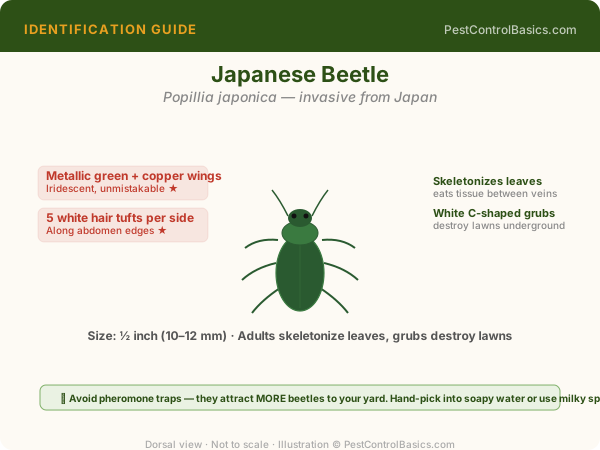
Original illustration by PestControlBasics.com. Use anatomical labels above to confirm your identification.
🔍 Identification
Striped cucumber beetle: 6mm; yellow with three black stripes; attacks cucumbers, squash, melons. Spotted cucumber beetle: 6mm; yellow-green with 12 black spots; attacks more crops including corn and beans. Both are present in the eastern US; striped species more damaging to squash family crops.
🧬 Biology & Behavior
Overwinter as adults in woodland debris and leaf litter. Emerge in spring when temperatures reach 55°F. Feed on cucumbers, squash, melons, and pumpkins. Bacteria (Erwinia tracheiphila) overwinter in the beetle's gut — transmitted to plants when beetles feed. Bacterial wilt causes rapid, irreversible plant collapse.
⚠️ Damage & Health Risk
Feeding damage on flowers and foliage; bacterial wilt (Erwinia tracheiphila) transmission causes vascular wilting and plant death that cannot be reversed; corn rootworm damage from spotted species larvae.
🔧 DIY Treatment
Row covers from transplant until flowering (prevents beetles before they're needed for pollination). Yellow sticky traps for monitoring and mass trapping. Perimeter trap crops (Blue Hubbard squash is extremely attractive as a trap crop). Kaolin clay spray on foliage as a physical barrier. Pyrethrin or pyrethroids as last resort. Resistant varieties (some bitter cucumbers have cucurbitacin compounds that repel beetles).
👷 When to Call a Pro
Commercial cucurbit growers use systemic neonicotinoids (imidacloprid as seed treatment) and Admire applications for cucumber beetle management at scale.