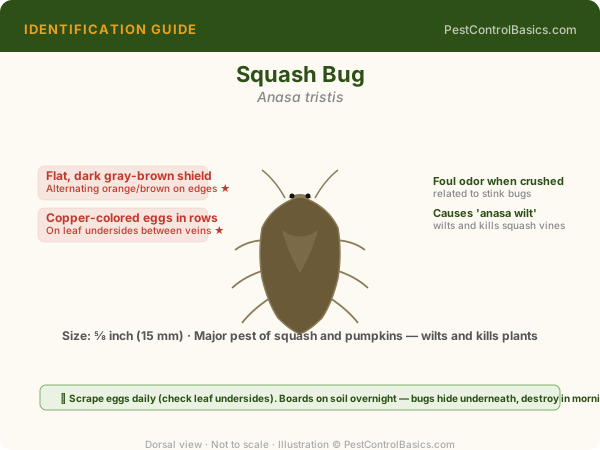
Original illustration by PestControlBasics.com. Use the labeled features above to confirm your identification.
🔍 Identification
Adults: clearwing moths resembling wasps — brilliant orange and black abdomen, transparent wings, day-flying. Larvae: white/cream, 25-35mm, found inside squash stems. Signs of infestation: sawdust-like frass mixed with green material at the stem base; wilting despite adequate water; soft, discolored stem at the base.
🧬 Biology & Behavior
Adults lay eggs singly at the stem base in early summer. Larvae hatch and immediately bore into the stem, tunneling upward. Multiple larvae in a single stem can completely girdle the water-conducting tissue. Found primarily in eastern and central North America. Zucchini and other summer squash most vulnerable; butternut squash and some other winter squash have some resistance due to denser stem tissue.
⚠️ Damage & Health Risk
Sudden plant wilting and death; affected stem collapses even with adequate water; near-complete loss of susceptible squash plantings in affected areas.
🔧 DIY Treatment
Prevention: apply permethrin or spinosad spray to stem base beginning in mid-June when adults are flying; continue weekly. Row covers from transplant through female flower opening (remove for pollination). For already-infested plants: slit the stem, remove larvae, bury the stem in moist soil — it may re-root. Succession planting (late July replanting) avoids peak egg-laying.
👷 When to Call a Pro
Rarely warranted alone — home garden management is very effective.