πŸ¦‡ Bat

Eptesicus fuscus / Myotis lucifugus Β· Chiroptera: Vespertilionidae

Bats are valuable insect predators β€” a single bat eats thousands of mosquitoes per night. But a bat inside your living space is a potential rabies exposure. Here's the right response.

WildlifeBatRabiesAtticProtected SpeciesExclusion
πŸ¦‡
Risk Level
Rabies Risk
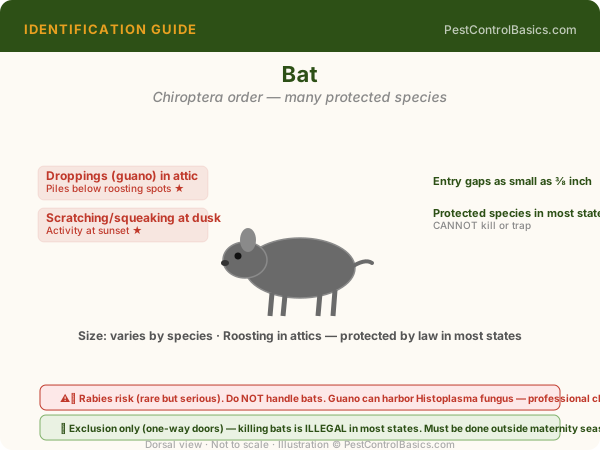
πŸ“ FIELD GUIDE ILLUSTRATION
Bat (Chiroptera) identification illustration with labeled anatomical features β€” PestControlBasics.com

Original illustration by PestControlBasics.com. Use the labeled features above to confirm your identification.

πŸ”¬
PestControlBasics Editorial Team
Reviewed by Derek Giordano Β· Updated 2026

πŸ” Identification

Big Brown Bat (Eptesicus fuscus): Wingspan 12-16 inches; most common attic bat in US.

Little Brown Bat (Myotis lucifugus): Smaller; colonial; often thousands per colony.

Signs of bats: accumulation of guano (small, dark, insectivorous pellets that crumble to dust β€” unlike rodent droppings); staining around entry points; chittering sounds at dusk.

🧬 Biology & Behavior

Colonial bats form maternity colonies in spring/summer. Big brown bats typically establish colonies of 20-300 in attics. Little brown bat colonies can number in the thousands. Pups born June-July cannot fly until August. This is why exclusion is prohibited in most states June 1 through August 15.

⚠️ Damage & Health Risk

Guano accumulation (health hazard β€” histoplasmosis fungus), urine staining and odor, structural damage, and rabies risk. Any direct contact between a bat and a sleeping person requires medical evaluation β€” bats can bite without the person waking.

🚨 If you wake to find a bat in a room where someone was sleeping, assume potential exposure and contact your local health department immediately about post-exposure prophylaxis (PEP).

πŸ”§ DIY Treatment

Bat exclusion requires one-way exclusion devices installed at all entry points (typically 3/4-inch openings along rooflines). The exclusion window: late summer (mid-August through October) after pups can fly but before hibernation. All gaps sealed permanently after 5-7 days of exclusion devices being in place.

πŸ‘· When to Call a Pro

Bat exclusion requires knowledge of bat biology, state and federal regulations (many bat species are protected under state and federal law), and careful work at heights. This is one situation where professional wildlife control is strongly recommended.

❓ FAQ

Are bats dangerous?
The primary danger is rabies β€” bats are the most common rabies vector in the US, responsible for most US rabies fatalities. Any direct bat contact requires medical evaluation. Beyond rabies, bat guano can harbor Histoplasma capsulatum, a fungus causing histoplasmosis when dust is inhaled.
Are bats federally protected?
All US bat species are protected under the Migratory Bird Treaty Act (which covers bats in some interpretations) and many are listed under the Endangered Species Act. It's illegal to kill or harm most bat species β€” exclusion, not extermination, is required.
πŸ“š Sources: CDC Bat Rabies Β· USGS White-Nose Syndrome
Published: Jan 1, 2025 Β· Updated: Apr 7, 2026

πŸ—ΊοΈ US Distribution β€” Bats in the House

image/svg+xml
Common Occasional Not Present
States Present
49
Occasional
2
Primary Region
Continental US
πŸ“Š Source: University extension services, USDA, CDC vector data, and published entomological surveys.