πŸ•·οΈ Poultry Mites

Dermanyssus gallinae / Ornithonyssus sylviarum Β· Trombidiformes: Macronyssidae

Poultry mites are a primary cause of reduced egg production and bird distress in backyard flocks β€” and they can temporarily bite humans when bird populations are reduced.

MitePoultryBackyard FlockTrombidiformesBlood FeederAnemia
πŸ•·οΈ
Risk Level
Poultry Pest
πŸ”¬
PestControlBasics Editorial Team
Reviewed by Derek Giordano Β· Updated 2026
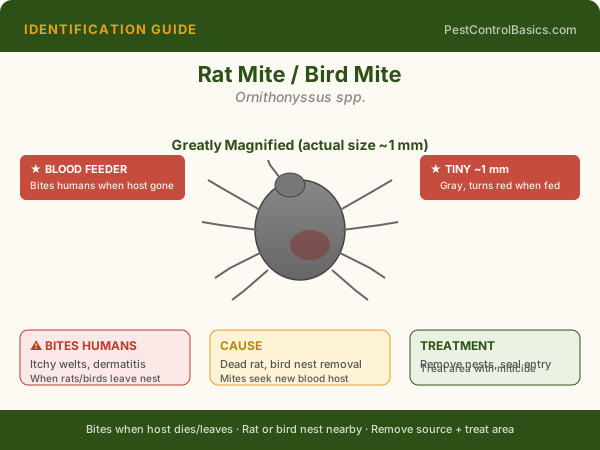
Bird Mite Poultry identification guide illustration

Illustrated identification guide β€” PestControlBasics.com

πŸ” Identification

Poultry Red Mite (D. gallinae): 0.7-1mm; grey when unfed, bright red after blood meal; infests poultry but hides in cracks and crevices of coop during day β€” feeds on birds at night. Northern Fowl Mite (O. sylviarum): Spends entire life cycle on the bird β€” found in heavy infestations around the vent area; darker; doesn't go into coop cracks.

🧬 Biology & Behavior

Poultry red mite populations can reach 500,000 per bird in severe infestations. They cause anemia, reduced egg production, and death in severe cases. Northern fowl mite remains on the bird continuously. Both can temporarily bite humans working with infested flocks β€” not a sustained human infestation.

⚠️ Damage & Health Risk

Anemia in birds; reduced egg production (20-30% reduction in severe infestations); feather loss around vent; bird death in extreme cases; temporary human biting during contact with infested birds or facilities.

πŸ”§ DIY Treatment

Poultry red mite: treat the coop (crevices, roosts, nest boxes) with permethrin or spinosad β€” the birds are treated as a secondary target. Clean all coop crevices first. Northern fowl mite: treat the birds directly with permethrin dust. Diatomaceous earth in dust bath areas supplements chemical treatment.

πŸ‘· When to Call a Pro

For commercial poultry operations, licensed pest control professionals design integrated mite management programs that address both coop environment and bird population simultaneously.

❓ FAQ

How do I know which mite I have?
Inspect birds and coop at night with a flashlight. Poultry red mite: grey or red mites running quickly in coop crevices, nest boxes, and roost areas. Northern fowl mite: dark mites crawling on the bird itself, concentrated around the vent. This distinction determines where you apply treatment.
Can poultry mites infest my home?
Poultry red mites can temporarily enter homes adjacent to infested coops and bite people, but they cannot establish in homes without bird hosts. The infestation resolves when the coop mite population is treated.

πŸ—ΊοΈ Geographic Range & Distribution

FactorDetails
U.S. RangeAll or most U.S. states
Regional DetailDistribution varies β€” consult your local extension service for regional prevalence data.

πŸ“… Treatment Timing Guide

Treating at the right time dramatically improves results. Pest control timed to the life cycle uses less product and achieves better long-term control.

PeriodAction
SpringInspection and perimeter treatment before pest season starts.
SummerActive monitoring and targeted treatments as needed.
FallPreventive treatment before overwintering pests seek entry.

πŸ’° Professional Treatment Costs

Service TypeDIY CostProfessional Cost
Initial inspectionFree (self-inspect)$75–$150 (often credited to treatment)
One-time treatment$30–$100 in materials$150–$500
Annual service contractN/A$400–$900/year
Severe infestationOften ineffective alone$500–$2,500+

Prices vary by region, property size, and infestation severity.

❓ Common Questions About πŸ•·οΈ Poultry Mites

How do I confirm I actually have this pest (not something similar)?
The most reliable confirmation is a physical specimen β€” capture one and compare to reference images on this page. For cryptic pests (bed bugs, termites), look for secondary signs: frass, shed skins, mud tubes, or bites with a specific pattern. When uncertain, a professional inspection is faster than months of misidentification.
Can I treat this myself or do I need a professional?
DIY is effective for small, accessible infestations caught early. Professionals are worth the cost when: the infestation is inside wall voids or structural elements, multiple rooms are affected, you have health-risk pests (hantavirus, venomous species), or DIY has already failed twice.
How long until the infestation is completely gone?
Expect 3–8 weeks for most infestations with proper treatment. Insects with dormant life stages (pupae, eggs) extend the timeline because those stages are impervious to most insecticides. Follow-up treatments at 2 and 4 weeks catch each new cohort as they emerge.
What's the most common mistake people make treating this pest?
Treating only the visible pest population while ignoring the harborage site, entry point, or breeding location. Killing adults provides temporary relief but the population rebuilds from hidden egg cases, pupae, or new arrivals through unaddressed entry points.
🧪 Recommended Treatment Products
Capsaicin Repellent IPM / Exclusion Guide Insecticidal Soap Horticultural Oil Neem Oil
Full product guides with mixing rates and safety info. → Browse All 130 Pesticide Guides
πŸ“š Sources: EPA Termite Guide Β· NPMA Termite Info
Published: Jan 1, 2025 Β· Updated: Apr 7, 2026

πŸ—ΊοΈ US Distribution β€” Poultry Red Mite & Northern Fowl Mite

image/svg+xml
Common Occasional Not Present
States Present
32
Occasional
6
Primary Region
Eastern United States
πŸ“Š Source: University extension services, USDA, CDC vector data, and published entomological surveys.