πŸ•·οΈ Varroa Mite

Varroa destructor Β· Trombidiformes: Varroidae

Varroa mites are the most important pest of honey bees globally β€” and the primary driver of the colony collapse affecting beekeepers worldwide.

MiteBeekeepingColony CollapseVarroidaeHoney BeeCritical
πŸ•·οΈ
Risk Level
Colony Collapse Primary Cause
πŸ”¬
PestControlBasics Editorial Team
Reviewed by Derek Giordano Β· Updated 2026
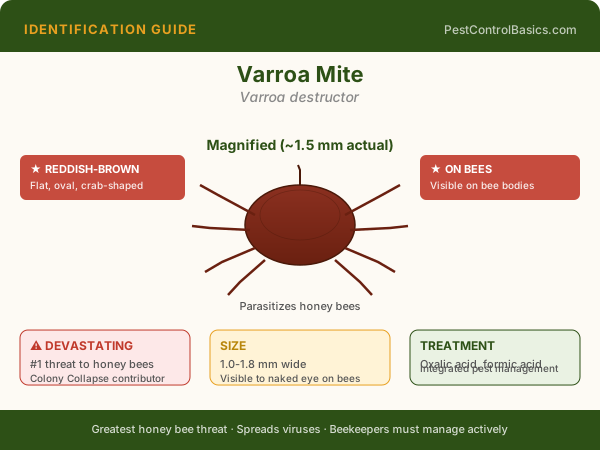
Varroa Mite identification guide illustration

Illustrated identification guide β€” PestControlBasics.com

πŸ” Identification

1.1-1.8mm; reddish-brown; crab-like shape (wider than long); visible to naked eye on adult bees β€” looks like a reddish sesame seed on the bee's thorax or abdomen. Deformed Wing Virus symptoms: emerging bees with shrunken, crumpled wings unable to fly.

🧬 Biology & Behavior

Reproduces inside capped brood cells; foundress mite enters just before cell is capped, produces 1-2 mated daughters on the developing larva. Daughter mites ride on adult bees between reproduction cycles. Transmits Deformed Wing Virus and other pathogens. High loads are fatal to colonies.

⚠️ Damage & Health Risk

Colony decline and collapse from virus transmission and direct feeding; deformed wing bees that can't fly; progressive population crash; hive abandonment; estimated 30-40% annual colony losses in US largely attributable to Varroa.

πŸ”§ DIY Treatment

Monitor: alcohol wash 300 bees β€” count mites. Threshold: 2+ mites per 100 bees = treat. Treatments: oxalic acid (Api-Bioxal, Varrox) β€” most effective; amitraz (Apivar); formic acid (Mite-Away Quick Strips). Rotate products to prevent resistance.

πŸ‘· When to Call a Pro

Work with your state apiarist or master beekeeper association to develop a monitoring and treatment protocol appropriate for your region and management style.

❓ FAQ

How do I check my hive for varroa?
Alcohol wash: collect 200-300 workers (nurse bees from brood frame), submerge in 70% isopropyl alcohol, shake vigorously, strain and count mites. Calculate: mites / bees counted x 100 = percentage. Above 2% warrants immediate treatment.
Can I use one treatment forever?
No β€” varroa develops resistance to chemicals used repeatedly. Amitraz resistance is already documented in some regions. Rotate between oxalic acid, amitraz, and formic acid to maintain effectiveness of all three classes.

πŸ—ΊοΈ Geographic Range & Distribution

FactorDetails
U.S. RangeAll or most U.S. states
Regional DetailDistribution varies β€” consult your local extension service for regional prevalence data.

πŸ“… Treatment Timing Guide

Treating at the right time dramatically improves results. Pest control timed to the life cycle uses less product and achieves better long-term control.

PeriodAction
SpringInspection and perimeter treatment before pest season starts.
SummerActive monitoring and targeted treatments as needed.
FallPreventive treatment before overwintering pests seek entry.

πŸ’° Professional Treatment Costs

Service TypeDIY CostProfessional Cost
Initial inspectionFree (self-inspect)$75–$150 (often credited to treatment)
One-time treatment$30–$100 in materials$150–$500
Annual service contractN/A$400–$900/year
Severe infestationOften ineffective alone$500–$2,500+

Prices vary by region, property size, and infestation severity.

❓ Common Questions About πŸ•·οΈ Varroa Mite

How do I confirm I actually have this pest (not something similar)?
The most reliable confirmation is a physical specimen β€” capture one and compare to reference images on this page. For cryptic pests (bed bugs, termites), look for secondary signs: frass, shed skins, mud tubes, or bites with a specific pattern. When uncertain, a professional inspection is faster than months of misidentification.
Can I treat this myself or do I need a professional?
DIY is effective for small, accessible infestations caught early. Professionals are worth the cost when: the infestation is inside wall voids or structural elements, multiple rooms are affected, you have health-risk pests (hantavirus, venomous species), or DIY has already failed twice.
How long until the infestation is completely gone?
Expect 3–8 weeks for most infestations with proper treatment. Insects with dormant life stages (pupae, eggs) extend the timeline because those stages are impervious to most insecticides. Follow-up treatments at 2 and 4 weeks catch each new cohort as they emerge.
What's the most common mistake people make treating this pest?
Treating only the visible pest population while ignoring the harborage site, entry point, or breeding location. Killing adults provides temporary relief but the population rebuilds from hidden egg cases, pupae, or new arrivals through unaddressed entry points.
πŸ“š Sources: EPA Termite Guide Β· NPMA Termite Info
Published: Jan 1, 2025 Β· Updated: Apr 7, 2026

πŸ—ΊοΈ US Distribution β€” Varroa Mite

image/svg+xml
Common Occasional Not Present
States Present
32
Occasional
6
Primary Region
Eastern United States
πŸ“Š Source: University extension services, USDA, CDC vector data, and published entomological surveys.