πŸ•·οΈ Grain Mite / Flour Mite

Acarus siro / Tyrophagus putrescentiae Β· Trombidiformes: Acaridae

Flour that appears to move, a sweet musty smell in grain products, or a fine dust around flour bags may be grain mites β€” microscopic arachnids invisible to the naked eye until populations reach millions.

MiteStored ProductMicroscopicFlourAcaridaeHumidity
πŸ•·οΈ
Risk Level
Stored Product Mite
πŸ”¬
PestControlBasics Editorial Team
Reviewed by Derek Giordano Β· Updated 2026
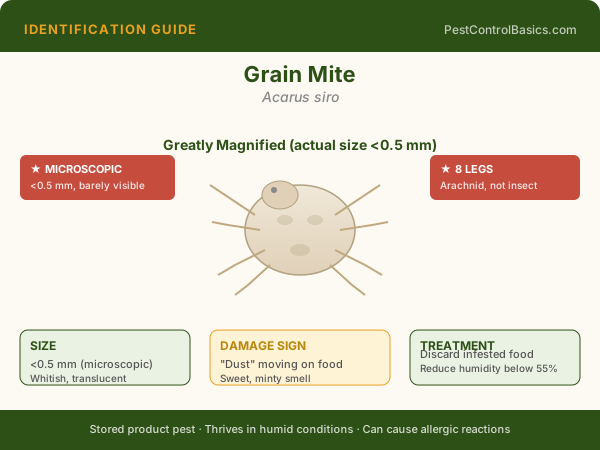
Grain Mite identification guide illustration

Illustrated identification guide β€” PestControlBasics.com

πŸ” Identification

0.3-0.7mm β€” requires magnification to see individuals. Shiny, pearly white with 8 legs. Evidence: a bag of flour that appears to 'breathe' or have surface movement under good light; brown powdery accumulation at the base of grain bags (mite bodies and waste); distinctive 'honey' or 'mint' sweet musty smell from infested products. Thousands visible as a barely-perceptible shimmer.

🧬 Biology & Behavior

Grain mites require high humidity (above 65% RH) and warm temperatures to reproduce rapidly. A single grain mite can lay 800 eggs in its lifetime. Infestations typically originate from purchased products already containing low-level mite populations that explode under favorable storage conditions. They attack: flour, bran, cereals, dried fruit, cheese, mushrooms, and yeast products.

⚠️ Damage & Health Risk

Contamination and economic loss of grain products; 'grocer's itch' contact dermatitis in heavily exposed individuals; strong musty odor in storage areas; respiratory sensitization in some individuals.

πŸ”§ DIY Treatment

Discard all infested products. Clean storage area thoroughly. Reduce humidity below 60% with a dehumidifier. Store all grain products in airtight containers. Freeze new purchases at 0Β°F for 7 days before transferring to storage containers β€” kills any mites present at purchase.

πŸ‘· When to Call a Pro

For commercial grain storage: sulfuryl fluoride (Vikane) fumigation or controlled atmosphere treatment (CO2 or nitrogen) for large-volume infestations.

❓ FAQ

How do I know if my flour has grain mites?
Pour a small amount of flour on a dark surface in good light and watch for 1-2 minutes. Very subtle movement of the flour surface confirms mites. The flour will appear to shimmer or 'breathe' as millions of mites move. Also look for a sweet musty odor β€” distinctive and hard to describe but noticeable once you've experienced it.
Can grain mites make you sick?
Grain mite body parts and waste products are allergens β€” sensitized individuals can develop 'baker's asthma' or 'grocer's itch' dermatitis from occupational exposure. Consuming products with large mite populations may cause GI irritation. The primary concern is economic loss and contamination rather than direct disease transmission.

πŸ“š More on This Topic

Related guides and profiles:

πŸ”— πŸ•·οΈ Clover MiteπŸ”— πŸ•·οΈ Varroa Mite
πŸ“š Sources: EPA Safe Pest Control Β· NPMA Pest Guide
Published: Jan 1, 2025 Β· Updated: Apr 7, 2026

πŸ—ΊοΈ US Distribution β€” Grain Mite and Flour Mite

image/svg+xml
Common Occasional Not Present
States Present
51
Occasional
0
Primary Region
Anywhere food is stored
πŸ“Š Source: University extension services, USDA, CDC vector data, and published entomological surveys.