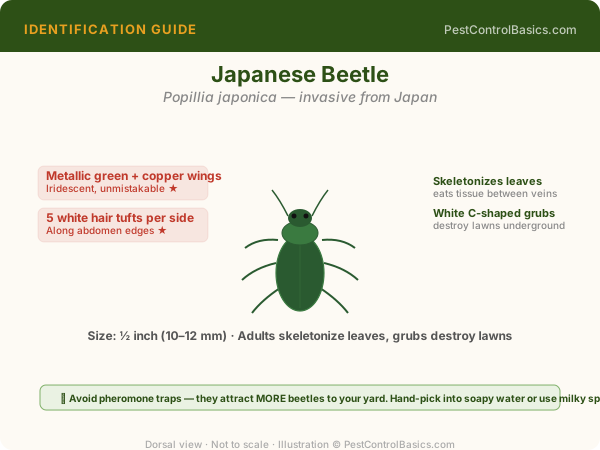
Original illustration by PestControlBasics.com. Use anatomical labels above to confirm your identification.
🔍 Identification
Adults: 10-20mm; elongated; soft wing covers (different from most beetles); various colors depending on species — striped (E. vittata), gray (E. fabricii), or black. Distinctive: soft, flexible wing covers unlike hard-shelled beetles; narrow 'neck' behind head. Found in aggregations in flowering plants, especially alfalfa, in late summer. Crush carefully (if at all) — contact with cantharidin causes blistering.
🧬 Biology & Behavior
Cantharidin is toxic to horses at extremely low doses (4 grams of dried beetles can be lethal). The chemical persists through hay drying and baling. Horses and mules are most susceptible; cattle are more tolerant. Blister beetles aggregate in alfalfa fields in late summer — crimper-conditioner hay equipment can kill and macerate hundreds of beetles in the hay, concentrating cantharidin. First cutting (before beetle season) is generally safe; second and third cuttings in beetle areas require inspection or sickle mower use.
⚠️ Damage & Health Risk
Skin blistering from contact; cantharidin poisoning in horses (signs: GI distress, difficulty swallowing, shock); fatal to horses from contaminated hay; significant veterinary and economic losses.
🔧 DIY Treatment
First cutting alfalfa before blister beetle season (before July) is safest. Sickle bar mowers (no crimper) leave beetles intact in cut hay — they can crawl out before baling. Avoid second and third cutting alfalfa from known beetle areas without inspection. Inspect purchased alfalfa hay — look for dead beetles in the flakes.
👷 When to Call a Pro
Agricultural extension guidance on regional blister beetle pressure and safe hay production protocols.