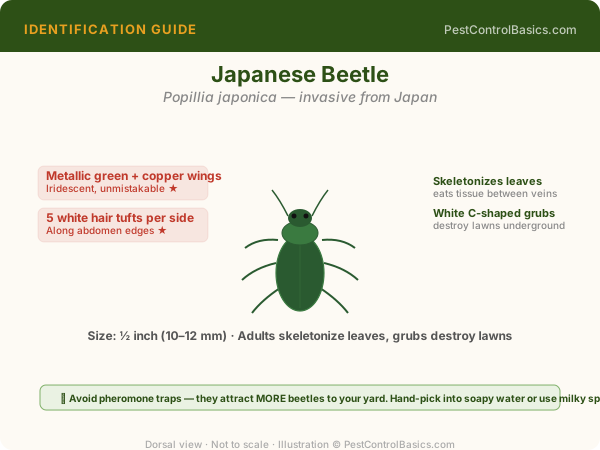
Original illustration by PestControlBasics.com. Use anatomical labels above to confirm your identification.
🔍 Identification
Adults: 12-15mm; elongated; yellow-orange with distinctive black spots on wing covers (pattern resembles a military uniform — the source of the common name); found abundantly on goldenrod, sunflowers, and other late-season flowers August-September. Often found mating on flowers in large aggregations. Soft wing covers (unlike most beetles).
🧬 Biology & Behavior
Goldenrod soldier beetle adults feed on pollen and nectar — they're important late-season pollinators when many other pollinators have declined. Larvae live in soil and leaf litter as active predators of soil-dwelling pests including cutworm eggs, grasshopper eggs, and small insects. The large aggregations on goldenrod and sunflowers in late summer are mating and feeding events — completely harmless.
⚠️ Damage & Health Risk
Zero — entirely beneficial. Important pollinators and soil pest predators.
🔧 DIY Treatment
No treatment warranted. Never spray aggregations on flowers — the benefit of natural pest control and pollination provided by soldier beetles far exceeds any aesthetic concern from their numbers.
👷 When to Call a Pro
Never warranted.