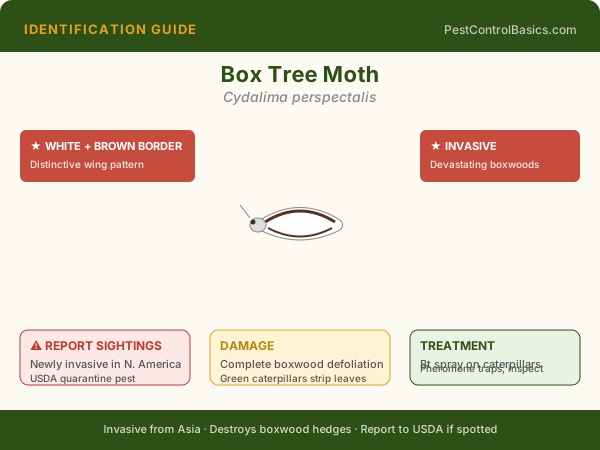
Illustrated identification guide — PestControlBasics.com
🔍 Identification
Adults: 40-45mm wingspan; white with brown borders; distinctive appearance. Caterpillars (the concern): 40-45mm; green with black head; distinctive black and yellow stripes; feed in webbed shelters within boxwood foliage. Evidence: webbing inside boxwood foliage; circular bare patches progressing to complete defoliation; frass (dark pellets) inside the webbing.
🧬 Biology & Behavior
Invasive from East Asia; established in Ontario, Canada in 2018 and rapidly spreading into New York, Michigan, Connecticut, Massachusetts, and other northeastern US states. Unlike most boxwood pests, box tree moth caterpillars feed voraciously and can completely strip a mature boxwood within a week. Multiple generations per year (2-3 in the Northeast).
⚠️ Damage & Health Risk
Complete defoliation of boxwood; plant death in severe infestations; defoliated boxwoods take years to recover if they survive; landscape value loss from dead hedges; no selective damage — the entire plant is affected.
🔧 DIY Treatment
Report suspected BTM immediately to your state department of agriculture — it is a regulated pest in many states. Management: Bt kurstaki spray against young caterpillars; spinosad for older larvae; remove infested plant material in sealed bags to prevent spread. Inspect all boxwood weekly during growing season.
👷 When to Call a Pro
Commercial landscape management: professional scouting and treatment programs, with reporting protocols for confirmed detections.