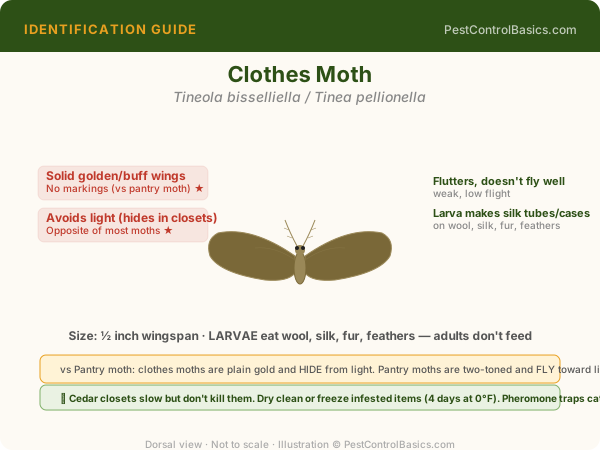
Original illustration by PestControlBasics.com. Use anatomical labels above to confirm your identification.
🔍 Identification
Adults: 6-9mm; buff/tan with 3 faint dark spots on each forewing (distinguishing feature from webbing clothes moth's plain wings). Larvae: 10-12mm; cream/white; build and carry a portable silk tube (case) constructed from fibers of the fabric they're feeding on. This case expands as the larva grows. The case remains attached to garments even after the larva leaves — a distinctive diagnostic feature.
🧬 Biology & Behavior
Case-bearing moths pupate inside their case, wherever they've been feeding. Unlike webbing clothes moth, they don't produce extensive silk webbing over the fabric surface — instead, damage appears as isolated patches with a tube attached. Found worldwide in natural fiber fabrics, upholstery, carpets, and museum specimens.
⚠️ Damage & Health Risk
Irregular holes in natural fiber fabrics; isolated feeding patches with cases attached; damage to wool, cashmere, silk, fur, and feather-filled items; museum and collection damage.
🔧 DIY Treatment
Identical to webbing clothes moth: find all sources, freeze or dry-clean all affected items, vacuum thoroughly, apply permethrin to closet surfaces, pheromone traps for monitoring, sealed airtight storage for all natural fiber items.
👷 When to Call a Pro
Rarely warranted alone — same treatment protocol as webbing clothes moth.