HomePest LibraryGarden Caterpillars
Garden Pest — Organic Control Excellent
🦋

Garden Caterpillars

Various Lepidoptera larvae — caterpillar stage

Most garden caterpillars are the larval stage of moths or butterflies you might otherwise want to encourage. But when they're eating your tomatoes or cabbages, you need to act. Spinosad spray and Bacillus thuringiensis (Bt) are highly effective organic options that specifically target caterpillars without harming beneficial insects.

Most effectiveSpinosad spray — OMRI certified organic
Also effectiveBt (Bacillus thuringiensis) — species-specific
Target stageLarvae — caterpillar stage
Safe for bees?Yes when dry — apply evening or morning
Key signHoles in leaves, frass on leaves below
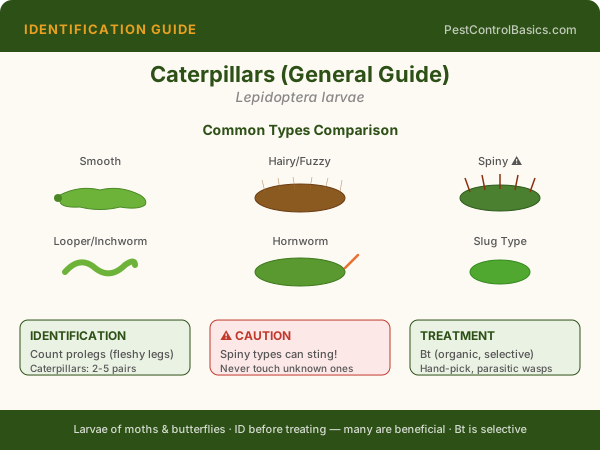
Caterpillars identification guide illustration

Illustrated identification guide — PestControlBasics.com

🔍 Identification Photo

Use this photo to confirm your identification. Click to enlarge. Correct ID is the essential first step to effective treatment.

Caterpillar — the larval stage of moths and butterflies; irregular holes with smooth edges and dark fecal pellets below

Caterpillar — the larval stage of moths and butterflies; irregular holes with smooth edges and dark fecal pellets below are the telltale feeding signs

📷 Wikipedia / Wikimedia Commons / CC BY-SA

⚠️ Photo loaded live from Wikipedia/Wikimedia Commons (CC BY-SA). Appearance varies by region, age, and sex. When uncertain, contact a licensed pest professional.

Common Species

Know what you're dealing with

Tomato hornworm (Manduca quinquemaculata): Up to 4 inches long, bright green with white diagonal stripes and a black or red horn at the rear. Defoliates tomato, pepper, and eggplant plants rapidly. Look for dark frass pellets on leaves below feeding sites. If you find hornworms with white egg-like structures attached — those are braconid wasp pupae. Leave those hornworms in place — the wasps will kill them and provide biological control for future generations.

Imported cabbageworm (Pieris rapae): Small, pale green, velvety texture. The larvae of the small white butterfly seen in gardens. Feeds on brassicas — cabbage, broccoli, kale, Brussels sprouts. Leaves ragged holes and frass in the leaf heads. Check undersides of leaves for pale yellow eggs (single, upright).

Corn earworm (Helicoverpa zea): Enters corn ears through the silk and feeds downward. Also attacks tomatoes, peppers, and beans. Color varies — tan, brown, pink. Prevention is more effective than treatment for corn — mineral oil applied to fresh silk smothers eggs and young larvae.

Codling moth (Cydia pomonella): Pinkish-white larva inside apples, pears, and walnuts. Enters through the blossom end or side of fruit. Pheromone traps are valuable for monitoring adult emergence and timing preventive sprays.

Control

Spinosad vs. Bt — when to use each

Spinosad (Monterey Garden Insect Spray): Produced by soil bacteria fermentation, OMRI-certified organic. Highly effective against all caterpillar species. Works by contact and ingestion. Provides 5–7 day residual. Best choice for most home garden caterpillar situations — broader spectrum than Bt and slightly more forgiving of timing. Apply to both leaf surfaces at first sign of larvae.

Bt (Bacillus thuringiensis var. kurstaki): Bacteria that produces proteins lethal to caterpillar gut cells when ingested. Completely harmless to humans, pets, wildlife, and beneficial insects. Must be ingested by larvae to work — good coverage of leaf surfaces matters. Shorter residual than Spinosad (3–5 days). Best for heavy caterpillar pressure when targeted spraying is practical.

Manual removal: For hornworms and other large caterpillars in small gardens, hand-picking into a bucket of soapy water is highly effective and costs nothing. Early morning inspection when caterpillars are resting is most productive.

Row covers: Floating row covers over brassica crops prevent cabbage white butterflies from laying eggs. The most effective prevention for imported cabbageworm when properly installed before planting.

Quick Reference
Tomato hornwormLarge green, white stripes, red/black horn at rear
Cabbage wormSmall green, velvety — on brassicas
Corn earwormTan/brown, enters ear tip
Codling moth larvaPink/cream inside apple or pear fruit
Damage signHoles in leaves, frass (droppings) below
Best controlSpinosad or Bt spray on larvae
When to treatAs soon as larvae are found
TimingEvening spray — most caterpillars feed at night
AI Bug Identifier →Find a Pro →
📚 Sources: EPA Termite Guide · NPMA Termite Info
Published: Jan 1, 2025 · Updated: Apr 7, 2026
Garden Caterpillars
Garden Caterpillars

Frequently Asked Questions

How do I know if I have Garden Caterpillars?

Signs of Garden Caterpillars include physical sightings, droppings or frass, damage to food or materials, and unusual odors. Inspect hidden areas like wall voids, behind appliances, and in storage spaces. A flashlight inspection after dark is often most revealing.

Are Garden Caterpillars dangerous to humans or pets?

Garden Caterpillars can pose health risks including bites, allergic reactions, food contamination, and disease transmission. Children, elderly, and pets are especially vulnerable. Consult a pest management professional when an infestation is confirmed.

Can I eliminate Garden Caterpillars myself?

Light infestations may be manageable with DIY baits, traps, and targeted treatments. Established infestations typically require professional intervention. Misapplied products often scatter pests and worsen the problem long-term.

How long does Garden Caterpillars treatment take?

Timelines vary by infestation size and method. Baits may take 1–4 weeks to work through a colony. Chemical treatments often require 2–3 applications spaced 2–4 weeks apart. Monitor for 30–60 days after treatment to confirm elimination.

What attracts Garden Caterpillars to my home?

Garden Caterpillars are typically drawn by food sources, standing moisture, warmth, and shelter. Sealing entry points, reducing clutter, fixing leaks, and storing food in airtight containers are the most effective long-term prevention measures.

Related Resources

📚 Full Pest Library🧪 DIY vs. Pro Quiz💰 Cost Guide🌿 IPM Guide🔍 Find a Pro
🧪 Recommended Treatment Products
Bt kurstaki (Organic) Spinosad Chlorantraniliprole
Full product guides with mixing rates, safety info, and brand comparisons. → Browse All 121 Pesticide Guides
🔗 Related Pests
Caterpillar Loopers Stinging Caterpillar Sod Webworm Fall Webworm Bagworm Azalea Caterpillar
Compare similar pests to confirm your identification. → Use our ID Flowchart
🔮
Reviewed by Derek GiordanoContent on PestControlBasics.com is developed with input from certified pest management professionals and cross-referenced against EPA, CDC, and university extension guidance. Last reviewed: April 2026.

🗺️ US Distribution — Garden Caterpillars

image/svg+xml
Common Occasional Not Present
States Present
49
Occasional
2
Primary Region
All agricultural regions
📊 Source: University extension services, USDA, CDC vector data, and published entomological surveys.