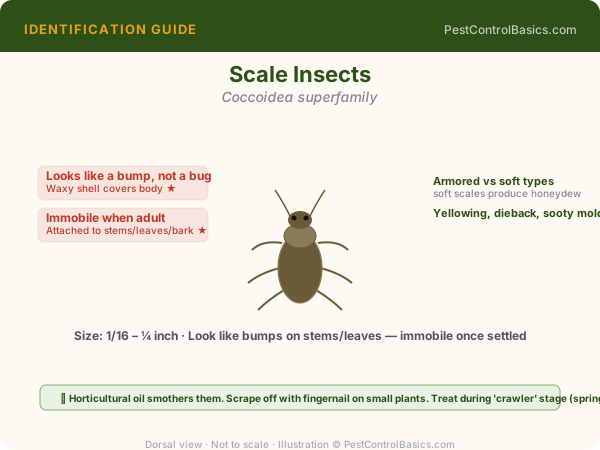
Original illustration by PestControlBasics.com. Use the labeled features above to confirm your identification.
🔍 Identification
Asian Citrus Psyllid (Diaphorina citri): 4mm; feeds on new citrus growth; brown with waxy white coating on nymphs; vectors huanglongbing (HLB/citrus greening). REPORT IMMEDIATELY outside current quarantine zones.
California Red Scale (Aonidiella aurantii): Circular armored scale on fruit and leaves; orange-yellow; serious pest in CA.
Citrus Leafminer (Phyllocnistis citrella): Larvae mine serpentine galleries in young leaves; silvery trails visible on new growth; weakens young trees.
🧬 Biology & Behavior
Asian citrus psyllid is established in Florida and Texas and spreading through California. It vectors Candidatus Liberibacter asiaticus, the bacterium causing HLB — a 100% fatal, incurable citrus disease that has devastated Florida's citrus industry (down ~85% since 2005). Federal and state quarantines restrict movement of citrus plants and material.
⚠️ Damage & Health Risk
HLB: incurable tree death within 5-10 years of infection; blotchy mottled leaves; lopsided bitter fruit. Scale: fruit blemishing and defoliation. Leafminer: stunted new growth in young trees.
🔧 DIY Treatment
Asian citrus psyllid: systemic imidacloprid soil drench protects trees (reduces HLB risk by reducing psyllid feeding). Horticultural oil sprays on new flush growth reduces psyllid and scale populations. Citrus leafminer: spinosad or neem oil on new growth. Report suspected HLB symptoms to your state department of agriculture immediately.
👷 When to Call a Pro
For commercial citrus operations, professional pest management programs following state guidelines are essential for compliance and disease management.