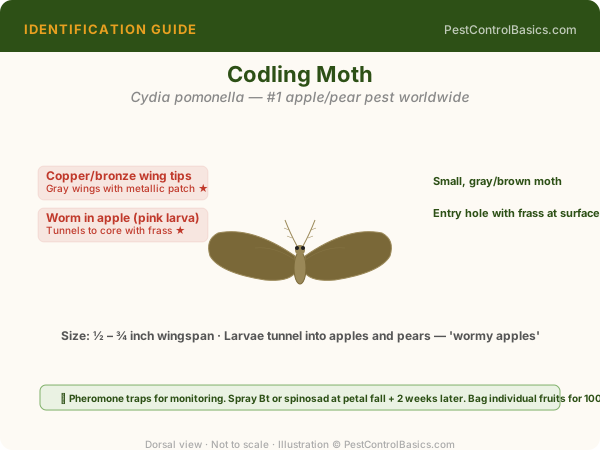
Original illustration by PestControlBasics.com. Use the labeled features above to confirm your identification.
🔍 Identification
Adults: 10-15mm wingspan; grey with bronze-brown wing tip pattern. Larvae: pink-white with brown head; 12-18mm; found tunneling through apple or pear flesh toward the core. Entry hole: tiny on fruit surface with brown frass. Found inside apples, pears, quinces, and occasionally walnuts.
🧬 Biology & Behavior
Adults emerge from overwintering cocoons when temperatures accumulate (degree days). Mating and egg-laying occur after a specific temperature threshold. Larvae hatch and bore directly into developing fruit. Pheromone traps catch adult males — when trap catches increase (indicating male flight), egg hatch follows within 250 degree days. Commercial orchards use degree-day models to time spray applications precisely within this window.
⚠️ Damage & Health Risk
Internal fruit damage (the classic wormy apple); early fruit drop from infested fruit; cosmetic damage making fruit unmarketable; 2 generations per year in most US apple regions.
🔧 DIY Treatment
Pheromone traps (CP lures) for monitoring adult flight — essential for timing. Kaolin clay applied to fruit when covers close and throughout growing season deters egg-laying and larva entry. Spinosad spray timed to egg hatch. Codling moth granulosis virus (Cyd-X) — OMRI organic; specific to codling moth.
👷 When to Call a Pro
Commercial apple/pear: spray program guided by degree-day monitoring; conventionally: organophosphate or pyrethroid at egg hatch; organic: spinosad + kaolin rotation.