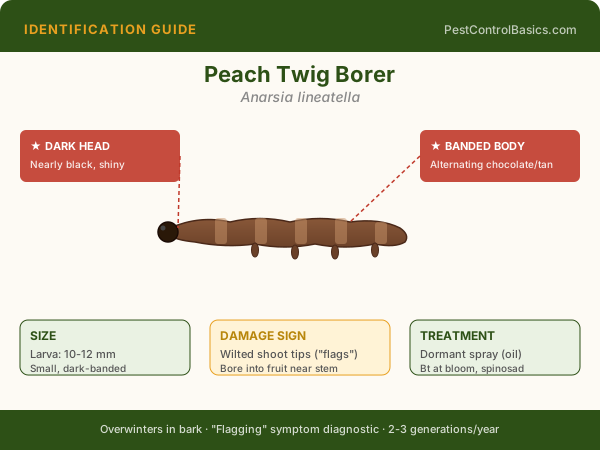
Illustrated identification guide — PestControlBasics.com
🔍 Identification
Adults: 10-12mm wingspan; grey with darker markings; similar to many small moths. Larvae: 10-12mm; dark brown with alternating dark and cream bands; found boring into peach, nectarine, apricot, and plum shoots and fruit. Damage: spring = wilted 'flagged' shoot tips; summer = internal fruit damage with entry holes near the stem end (often confused with other fruit pests).
🧬 Biology & Behavior
Overwinters as larva in bark crevices. In spring, larvae bore into new growth shoots (the wilted 'flags' visible in March-May). Adults emerge and lay eggs on fruit in summer — second-generation larvae bore into fruit near the stem, causing internal damage that's invisible until harvest. Degree-day models are used in California orchards to time treatments precisely.
⚠️ Damage & Health Risk
Shoot tip death (flagging) reducing tree vigor; internal fruit damage rendering fruit unmarketable; significant economic losses in commercial stone fruit; worm damage in fresh fruit at market.
🔧 DIY Treatment
Dormant oil application (delayed dormant, at pink bud stage) kills overwintering larvae. Spinosad spray at egg-hatch in spring and again for summer generation (degree-day guided in commercial production). Mating disruption pheromones available commercially for orchards.
👷 When to Call a Pro
Commercial orchards use degree-day monitoring from UC IPM or similar programs to time Bt or spinosad applications precisely. Mating disruption pheromone dispensers reduce adult mating success orchard-wide.