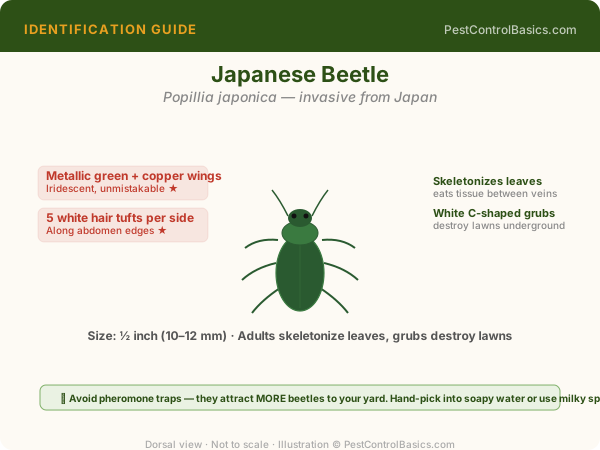
Original illustration by PestControlBasics.com. Use anatomical labels above to confirm your identification.
🔍 Identification
Adults: 8-11mm; round; yellow-orange with 10 alternating black stripes on wing covers — striking and unmistakable. Larvae: orange-red with two rows of black spots along each side; humpbacked; found on potato, eggplant, and tomato foliage. Egg masses: bright yellow-orange, laid in clusters on leaf undersides.
🧬 Biology & Behavior
Overwinters as adult in soil. Emerges in spring when potatoes emerge. Both adults and larvae defoliate host plants completely if unmanaged. Multiple generations per year. Has developed resistance to organochlorines, organophosphates, carbamates, pyrethroids, neonicotinoids, and spinosad in various populations — the most pesticide-resistant agricultural insect in history.
⚠️ Damage & Health Risk
Complete defoliation of potato, eggplant, and tomato; significant yield losses without management; entire plantings destroyed in 1-2 weeks of uncontrolled feeding.
🔧 DIY Treatment
Hand-pick adults and egg masses (home garden scale — very effective). Row covers for early-season protection. Bt tenebrionis (Bt san diego strain — different from standard Bt kurstaki) is specifically effective against CPB larvae. Spinosad for resistant populations. Rotate ALL chemical options — never use same product class consecutively.
👷 When to Call a Pro
Commercial potato production requires integrated programs developed with a certified crop adviser — resistance management is critical and product choices must be tailored to local resistance profiles.