πŸ› Conifer Aphid Complex

Cinara / Schizolachnus / Essigella spp. Β· Hemiptera: Aphididae

Conifer aphids are often overlooked because they blend with bark and needles β€” by the time you notice them, populations are already large. Early detection and treatment timing is everything.

AphidConiferHemipteraPineSpruceHoneydew
πŸ›
Risk Level
Conifer Pest
πŸ“ FIELD GUIDE ILLUSTRATION
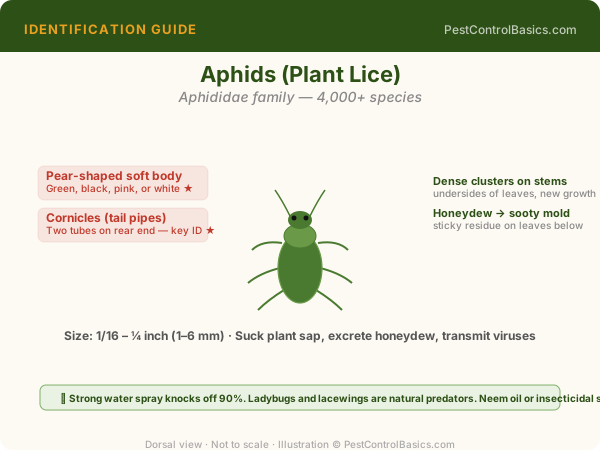
Aphids (Aphididae) identification illustration with labeled anatomical features β€” PestControlBasics.com

Original illustration by PestControlBasics.com. Use the labeled features above to confirm your identification.

πŸ”¬
PestControlBasics Editorial Team
Reviewed by Derek Giordano Β· Updated 2026

πŸ” Identification

Giant Conifer Aphids (Cinara spp.): 3-6mm β€” large for aphids; brown to black; long-legged; found in clusters on branches and trunk bark of pine, spruce, fir. Look like dark lumps on bark. Woolly Pine Needle Aphid (Schizolachnus pineti): covered in white woolly wax; found on pine needles. Monterey Pine Aphid (Essigella californica): tiny; pale green; causes yellowing of older pine needles; Pacific Coast species.

🧬 Biology & Behavior

All conifer aphids produce honeydew that supports sooty mold on bark and foliage below infested branches. Giant conifer aphids can be tended by ants that protect colonies from predators. Multiple generations per year; populations fluctuate dramatically with predator pressure.

⚠️ Damage & Health Risk

Honeydew dripping from infested trees onto surfaces below; sooty mold on bark and hardscape; needle yellowing and drop in severe infestations; branch dieback in sustained heavy infestations.

πŸ”§ DIY Treatment

Preserve natural enemies β€” parasitoid wasps, lady beetles, and lacewings naturally control conifer aphids and should be protected from broad-spectrum sprays. Ant control on infested trees (sticky barrier bands) allows natural enemies to access colonies. Horticultural oil spray for heavy infestations. Systemic imidacloprid for persistent severe infestations on valuable specimen conifers.

πŸ‘· When to Call a Pro

For valuable specimen conifers with repeated severe aphid pressure, certified arborist systemic treatment provides sustained protection.

❓ FAQ

Is the sticky black substance on my pavement under pine trees from aphids?
Yes β€” honeydew from giant conifer aphids (Cinara species) drips from infested branches onto cars, paving, and other surfaces below. The honeydew then supports sooty mold growth, turning black and sticky. Look up in the tree for dark lumps on branches β€” those are aphid colonies.
Do giant conifer aphids harm the tree?
Established trees typically tolerate giant conifer aphid populations without significant long-term damage. The aesthetic impact (honeydew, sooty mold) and temporary needle drop cause more concern than actual tree health impact. Young trees and those already stressed by drought or other issues are more vulnerable to decline from heavy aphid pressure.
🧪 Recommended Treatment Products
Insecticidal Soap Neem Oil Guide Horticultural Oil Spinosad
Full product guides with mixing rates and safety info. → Browse All 130 Pesticide Guides
πŸ“š Sources: UC IPM Aphids Β· EPA Safe Pest Control
Published: Jan 1, 2025 Β· Updated: Apr 7, 2026

πŸ—ΊοΈ US Distribution β€” Conifer Aphids

image/svg+xml
Common Occasional Not Present
States Present
49
Occasional
2
Primary Region
All agricultural regions
πŸ“Š Source: University extension services, USDA, CDC vector data, and published entomological surveys.