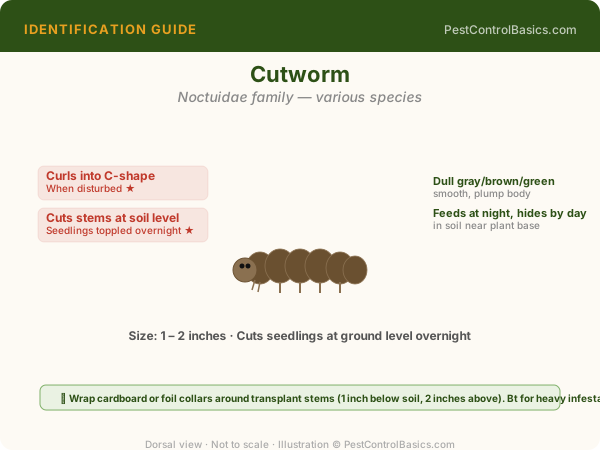
Original illustration by PestControlBasics.com. Use the labeled features above to confirm your identification.
🔍 Identification
Larvae: 30-50mm; grey to brown to black; smooth or slightly granular skin; C-shaped curl when disturbed; found in soil 1-3 inches deep during daytime. Several species: black cutworm, variegated cutworm, dingy cutworm. All attack the same way — severing stems at soil level at night.
🧬 Biology & Behavior
Adults are noctuid moths that lay eggs on grass and weeds in late summer. Larvae overwinter in soil and become active in early spring when soil warms. They cut stems at night then retreat into the soil. They can also climb plants to feed on foliage. One generation per year for most species.
⚠️ Damage & Health Risk
Severed seedling stems at soil level; overnight loss of entire rows of transplants; wilted seedlings leaning but still attached; reduced stands requiring replanting.
🔧 DIY Treatment
Diagnose by digging 1-2 inches in soil near damaged plants — the cutworm will be curled there. Cutworm collars (paper cups or cardboard rings pushed 1 inch into soil around each transplant) physically prevent cutting. Diatomaceous earth around transplants. Spinosad spray or granules incorporated into soil pre-plant. Beneficial nematodes (Steinernema carpocapsae) applied to moist soil.
👷 When to Call a Pro
For large field vegetable operations, pre-plant spinosad or chlorpyrifos incorporation addresses the population before transplanting.