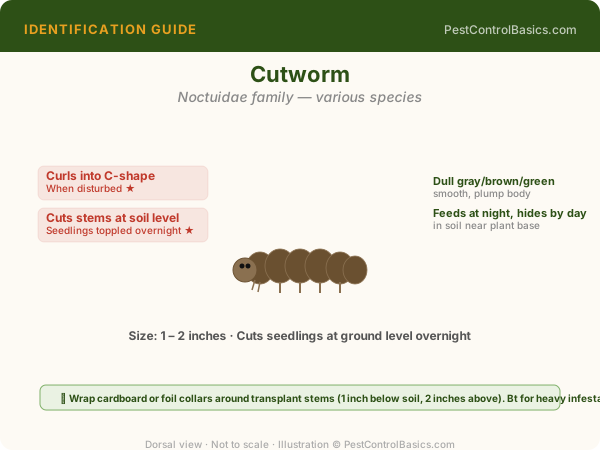
Original illustration by PestControlBasics.com. Use the labeled features above to confirm your identification.
🔍 Identification
Larvae: 30-40mm at maturity; tan to dark brown or green; distinctive inverted Y on head capsule and four black spots on the back of each abdominal segment — the key field ID characters. Move in groups ('armies') when populations are high. Adults: grey moths with 1.5-inch wingspan that migrate north each summer from Florida and Gulf Coast.
🧬 Biology & Behavior
Fall armyworm cannot overwinter above the frost line — it reinvades the eastern US each summer from year-round populations in South Florida and Texas. Moths migrate north on weather fronts, laying egg masses on grass. Populations build rapidly in August-September. Multiple generations per year in warm states.
⚠️ Damage & Health Risk
Brown patches in turf that expand rapidly; green 'window-paning' on leaves (eating the surface but leaving a transparent layer); abundant frass in the lawn; birds feeding heavily in lawn areas indicate active infestation.
🔧 DIY Treatment
Apply spinosad, chlorantraniliprole, or bifenthrin spray immediately upon detection — timing is critical because small larvae are much easier to kill than large ones. Water product into thatch layer. Morning application best (larvae more active near surface). For organic: Bt (Bacillus thuringiensis var. kurstaki) applied at dusk when larvae are feeding. Re-treat after 5-7 days if needed.
👷 When to Call a Pro
For large lawn areas, commercial lawn care services with professional-grade products (Acelepryn/chlorantraniliprole) provide the most consistent control.